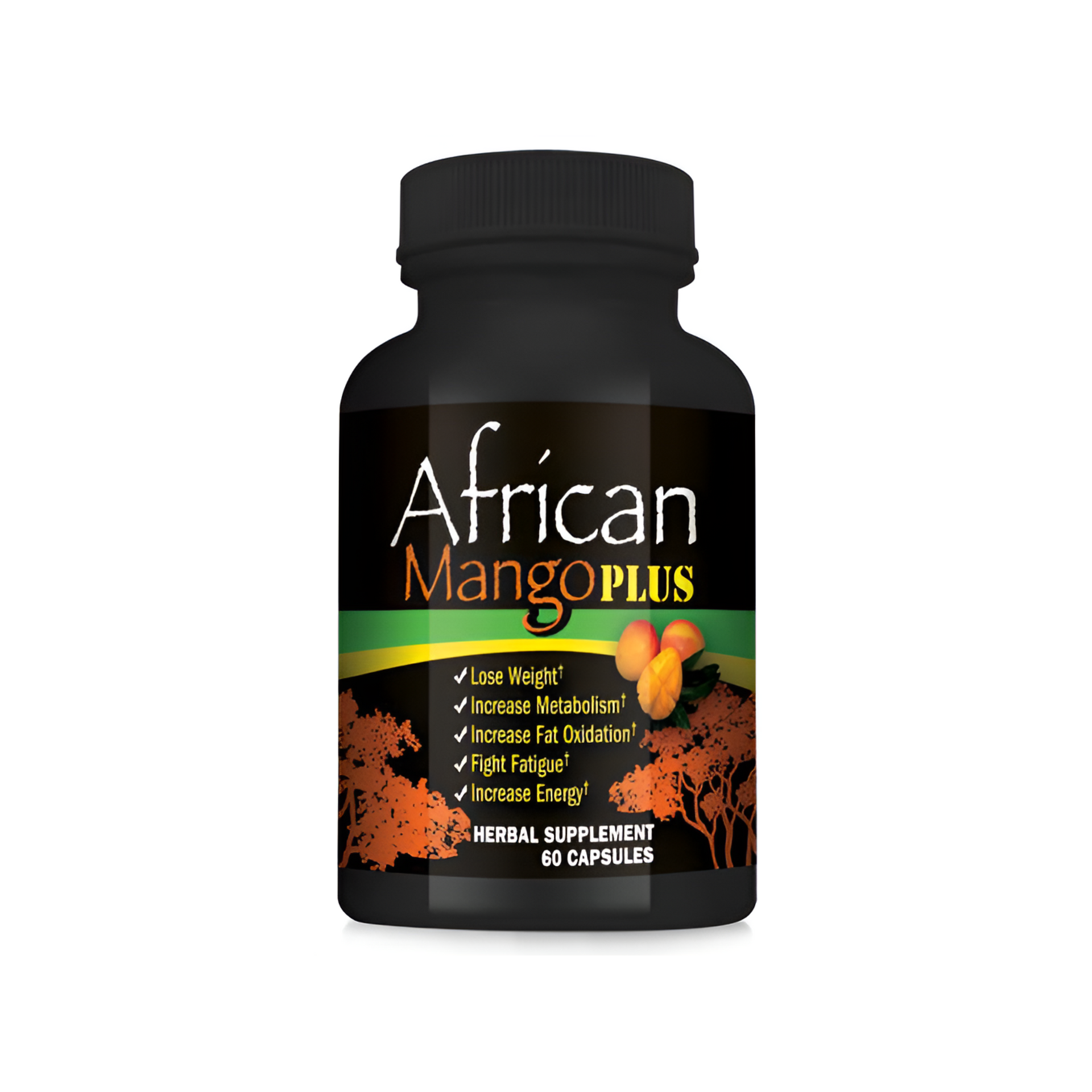
What the Science Actually Says About African Mango and Weight Loss

The Science of African Mango: What Research Says

If you're trying to increase metabolism, reduce body fat, and push through daily fatigue, you've probably come across Irvingia gabonensis, the seed extract sold as African Mango. I've spent considerable time reviewing the published research on this ingredient, and the findings are more nuanced than most supplement labels let on. This guide breaks down the clinical evidence, the realistic benefits, and the side effects worth knowing about before you commit to a supplement routine.

What Is African Mango, Exactly?

African Mango refers to Irvingia gabonensis, a wild mango tree native to West and Central Africa. Its seed extract, sometimes called IGOB131, is studied for weight management because it may suppress appetite, lower leptin resistance, and slow carbohydrate absorption, making it distinct from the common mango you buy at a grocery store.

The fruit itself looks similar to a regular mango, but the edible seed inside is where researchers focus their attention. Traditional communities in Cameroon and Nigeria have used the seed in cooking for centuries, long before it landed on supplement shelves.

The extract targets a few specific metabolic pathways. First, it appears to influence leptin, the hormone that signals fullness to your brain. Second, it may inhibit an enzyme called glycerol-3-phosphate dehydrogenase, which plays a role in fat storage. Third, early studies suggest it slows the digestion of dietary starches by acting on alpha-amylase.

This is meaningfully different from a regular mango (Mangifera indica), which contains vitamin C and polyphenols but has no documented effect on leptin or fat-cell formation. When a product label says 'African Mango seed extract,' that distinction matters. You're buying something with a specific mechanistic profile, not just a tropical fruit powder.

For HealthBuy customers focused on fat oxidation and energy, understanding this distinction helps set realistic expectations. The seed extract is a natural solution designed to complement diet and exercise, not replace them.

Key African Mango Benefits Backed by Research

Documented African Mango benefits include reduced body weight, lower fasting blood glucose, improved LDL cholesterol, and decreased waist circumference, all observed across multiple human trials lasting 4 to 10 weeks.

The most-cited study, published in Lipids in Health and Disease in 2009 by Julius Oben and colleagues, followed 102 overweight adults in Cameroon for 10 weeks. The group taking 150 mg of IGOB131 twice daily lost an average of 12.8 kg versus 0.7 kg in the placebo group. Waist circumference dropped by about 16 cm. Those numbers are striking, though they come from a single industry-associated trial, so context matters.

A second randomized controlled trial published in the same journal in 2008 showed similar directional results over 4 weeks: meaningful reductions in body weight, blood glucose, and total cholesterol compared to placebo.

Honestly, the effect sizes in those Cameroonian trials are larger than what most replication studies produce. A 2013 systematic review in the Journal of Dietary Supplements was cautiously positive but flagged the limited number of independent trials. So the honest picture is: promising signal, not yet definitive proof.

That said, the specific benefits with the strongest consistent evidence are:

  • Appetite reduction, likely through leptin sensitization
  • Lower fasting blood sugar, relevant for people managing weight and energy crashes
  • Reduced LDL cholesterol in some trials
  • Modest but measurable fat loss when paired with caloric intake changes

For anyone dealing with fatigue alongside weight challenges, the blood sugar stabilization effect may also translate to more consistent daily energy levels, which aligns with what HealthBuy's African Mango Plus is formulated to address.

African Mango Side Effects: What the Liver Data Shows

African Mango side effects are generally mild in clinical trials, with headache, sleep disruption, and flatulence most commonly reported. No controlled trial through 2026 has documented direct liver toxicity from Irvingia gabonensis at standard doses, though isolated case reports exist and warrant monitoring in people with pre-existing liver conditions.

The concern about african mango side effects liver comes mostly from sporadic case reports rather than controlled studies. A handful of published case reports describe elevated liver enzymes in people taking multi-ingredient weight loss stacks that included Irvingia gabonensis alongside stimulants like synephrine or high-dose green tea extract. Isolating the cause in those cases is genuinely difficult.

In the two primary randomized trials, participants on IGOB131 alone did not show significant liver enzyme elevations. However, those trials ran for 10 weeks or fewer, which is too short to capture long-term hepatic effects.

Here is what the evidence actually supports:

  1. Mild gastrointestinal effects (gas, loose stools) are the most common complaint, typically resolving within the first two weeks.
  2. Headache and sleep disturbance were reported in roughly 5 to 10% of trial participants.
  3. No confirmed direct hepatotoxicity from Irvingia gabonensis as a single ingredient at 150 mg twice daily.
  4. Risk increases when combined with stimulants, so check your full supplement stack.

If you have a history of liver issues, talking to a physician before adding african mango tablets or any seed extract is a sensible step, not an overreaction. That applies to most concentrated botanical supplements, not just this one.

How African Mango Tablets Fit Into a Weight Loss Routine

African Mango tablets work best as a supporting tool within a structured routine that includes a calorie-appropriate diet and regular physical activity. Taken 30 to 60 minutes before meals, the extract may reduce appetite signals, making it easier to maintain a caloric deficit without feeling deprived.

Since the research consistently shows that the extract is not effective as a standalone fix, the practical question is how to fit it into a real routine without magical thinking.

Most trials used 150 mg of IGOB131 extract twice daily, taken 30 to 60 minutes before two main meals. Timing before meals appears important because the appetite-suppressing signal needs to be active when you're deciding how much to eat. Taking a tablet after a large lunch accomplishes very little.

For someone trying to increase fat oxidation specifically, the combination of reduced appetite (eating less total food) and potential improvements in blood glucose regulation creates two complementary mechanisms. You're not just eating less; you may also be metabolizing the food you do eat more efficiently.

HealthBuy formulated African Mango Plus around this logic. Rather than loading the product with stimulants that spike heart rate and crash energy, the focus is on a natural solution that works alongside the lifestyle changes already doing the heavy lifting. Customers focused on sustained energy rather than short bursts tend to respond better to this kind of approach.

A practical week-one approach:

  • Days 1 to 3: Start with one tablet before your largest meal to assess tolerance.
  • Days 4 to 7: Move to the standard twice-daily protocol if no GI discomfort occurs.
  • Weeks 2 onward: Track waist measurements and energy levels weekly rather than scale weight daily, which fluctuates too much to be meaningful.

For a broader look at dosage specifics and how this fits the full evidence picture, the complete African Mango research guide covers dosage ranges in more detail.

African Mango vs Regular Mango: Why the Difference Matters

African Mango seed extract (Irvingia gabonensis) and regular mango (Mangifera indica) are botanically unrelated in terms of their active compounds. Regular mango provides fiber and antioxidants but has no documented effect on leptin, fat cell formation, or appetite hormones. The seed extract targets specific metabolic pathways that the common fruit does not.

This is one of the most common points of confusion in supplement marketing. Someone reads 'mango' on a label and assumes it's just a fruit-based vitamin product. It isn't.

Mangifera indica, the mango you slice over yogurt, is rich in vitamin C, beta-carotene, and digestive fiber. Those are genuinely good things. But the research on weight management centers entirely on Irvingia gabonensis, a different species from a different genus entirely. They share a common name and a general geographic region. That's about it.

The seed extract's activity comes from its high content of a specific type of soluble fiber called mucilage, along with ellagic acid and several other polyphenols unique to the Irvingia family. These compounds are not present in meaningful concentrations in Mangifera indica.

Why does this matter practically? Because some lower-quality supplement products label themselves with the word 'mango' while using a diluted or entirely different extract to save costs. When you're evaluating african mango weight loss reviews, checking whether the product specifies IGOB131 or standardized Irvingia gabonensis seed extract is a useful quality filter. Vague 'mango extract' labels are a red flag.

The best african mango supplement options will list the extract name, the part of the plant (seed), and the dose per serving in milligrams, so you can compare it directly against the research protocols.

Reading African Mango Weight Loss Reviews Critically

When reading African Mango weight loss reviews, look for three things: whether the reviewer combined the supplement with dietary changes, how long they used it before reporting results, and whether the product specifies a standardized seed extract dose. Reviews that report dramatic results in under two weeks with no other changes are statistically unlikely given the clinical trial timelines.

Customer reviews are genuinely useful, but they need a framework to interpret correctly. Most of the dramatic four-week transformation stories in online reviews involve people who simultaneously cleaned up their diet, started walking daily, and began sleeping better. The supplement gets the credit because it's the visible change.

That doesn't mean reviews are worthless. They're actually helpful for gauging tolerance, flavor, and whether a product causes GI distress, which trials sometimes underreport. They're less useful for measuring the extract's independent efficacy.

One thing I've found useful is looking at mid-range reviews (three stars) rather than the extremes. Those tend to be the most honest. People writing three-star reviews often say something like, 'I didn't lose as much as I hoped, but my appetite did calm down and I stopped snacking at night.' That matches what the research predicts: meaningful but modest appetite-related effects rather than dramatic fat loss in isolation.

For customers dealing with fatigue as a secondary concern, some reviews mention improved daytime energy, which could relate to the blood glucose stabilization effect discussed earlier. That's worth paying attention to if energy is a driver for your interest in the supplement.

For full clinical context and dosage guidance, see HealthBuy's African Mango resource before making a purchasing decision.

Choosing the Right African Mango Supplement in 2026

A quality African Mango supplement in 2026 should specify IGOB131 or standardized Irvingia gabonensis seed extract, list a dose of 150 mg per serving, carry third-party testing certification, and avoid high-stimulant blends that increase the risk of adverse effects including elevated liver enzymes.

The supplement market in 2026 is crowded, and Irvingia gabonensis products range from well-formulated to essentially inert. Here's a short checklist for evaluating any product:

Ingredient transparency Does the label name the exact extract (IGOB131 is the most studied) and specify it comes from the seed, not the fruit or bark? If the label just says 'mango extract,' move on.

Dose alignment with research The clinical protocols that showed meaningful results used 150 mg twice daily. A product delivering 50 mg in a proprietary blend is unlikely to replicate those findings.

Third-party testing Look for NSF, USP, or Informed Sport certification. These aren't required by law, but they confirm that what's on the label is actually in the capsule.

Stimulant load As the side effects section covered, combining Irvingia with high-dose caffeine or synephrine raises both cardiovascular and hepatic risk. A product built around a natural solution framework doesn't need stimulants to work.

HealthBuy's African Mango Plus reflects this philosophy. The HealthBuy team built the formula around the clinically studied seed extract as the primary driver, keeping the ingredient list focused rather than packing in compounds that could compromise tolerability for the brand's core customers: people managing weight, fatigue, and metabolic health without wanting to feel wired.

I've found that shoppers who approach this category with a checklist rather than relying on marketing copy tend to end up far more satisfied with their results, because their expectations are calibrated to what the science actually supports.

Frequently asked questions

How long does it take for African Mango to show results?

Clinical trials showing statistically significant weight and waist changes ran for 4 to 10 weeks. Most participants in those studies began noticing appetite changes in weeks 1 to 2, while body composition changes became measurable around week 4. Expecting dramatic results in under two weeks is not supported by the research.

Can African Mango cause liver damage?

No controlled clinical trial through 2026 has confirmed direct liver toxicity from Irvingia gabonensis seed extract at standard doses (150 mg twice daily). Isolated case reports exist, but most involve multi-ingredient stacks with stimulants. People with pre-existing liver conditions should consult a physician before use.

Is African Mango the same as regular mango?

No. African Mango refers to Irvingia gabonensis, a distinct species from West and Central Africa. Its seed extract contains unique soluble fiber and polyphenols that influence appetite hormones and fat metabolism. Regular mango (Mangifera indica) provides vitamin C and fiber but has no documented effect on leptin or fat cell formation.

What dose of African Mango seed extract is clinically studied?

The most-cited trials used 150 mg of IGOB131 (a standardized Irvingia gabonensis seed extract) taken twice daily, 30 to 60 minutes before two main meals. This is the dose benchmark to compare against any supplement you're evaluating.

Are there side effects from African Mango tablets?

The most commonly reported side effects in clinical trials are mild: headache, flatulence, and occasional sleep disturbance, affecting roughly 5 to 10% of participants. These typically resolve within the first two weeks. Serious adverse effects have not been documented in controlled trials using the extract as a single ingredient.

Does African Mango work without diet and exercise?

The research does not support meaningful results without lifestyle changes. The seed extract appears to work by reducing appetite and improving metabolic markers, mechanisms that amplify the effect of a calorie-appropriate diet and physical activity. It is a natural complement to those habits, not a substitute for them.

Ready to try African Mango?

View pricing