
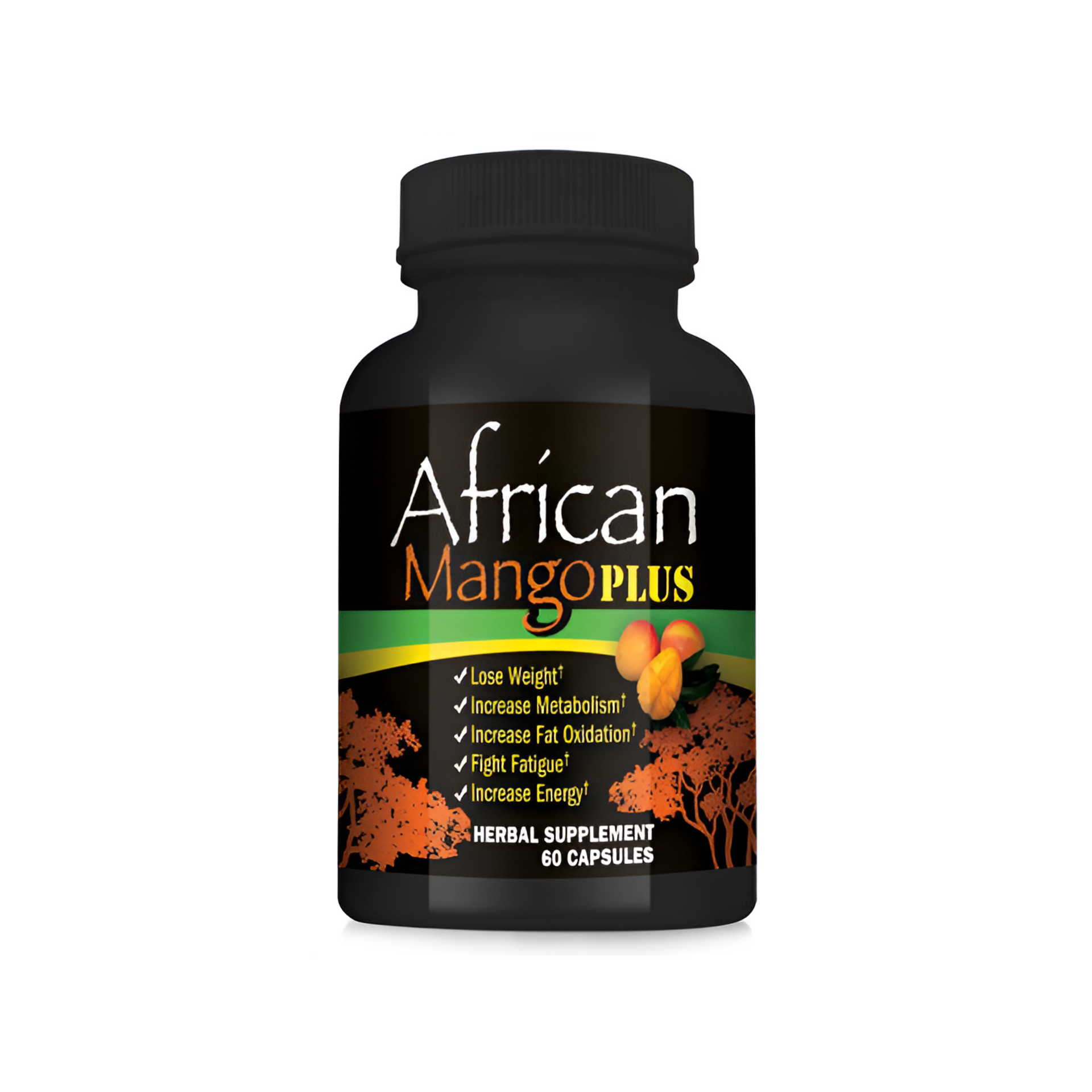
If you're trying to increase metabolism, shed stubborn weight, or fight off daily fatigue, you may have stumbled across two very different things sharing almost the same name. African Mango (Irvingia gabonensis) is a West African seed extract used in supplements. Regular mango is the sweet tropical fruit in your grocery store. They are not the same plant, and the distinction matters enormously for anyone serious about natural weight management alongside diet and exercise.
What Is African Mango, Exactly?
African Mango is the common name for Irvingia gabonensis, a tree native to West and Central Africa. Unlike the familiar sweet mango, this plant's weight-loss benefits come entirely from its seed, not the fruit. The seed extract is used in supplements to support fat oxidation, reduce appetite, and boost metabolism.
The fruit of Irvingia gabonensis looks a little like a regular mango on the outside, yellow-green and roughly fist-sized. But nobody is really eating the flesh for health reasons. The active compounds live in the seed, sometimes called "ogiri okpei" in Nigeria, where it has been a culinary and traditional medicine staple for centuries.
Researchers became interested in the seed after observing that communities in Cameroon and Nigeria used it regularly and showed particular metabolic profiles. By the early 2000s, clinical teams were isolating the seed's soluble fiber, called Irvingia gabonensis seed extract or IGOB131, and running controlled trials on it.
So when you see a supplement label that says African Mango, you are looking at a seed extract, not a dried piece of tropical fruit. That distinction is the whole ballgame.
HealthBuy's African Mango Plus is built around this seed extract, targeting the specific customers who want a natural, evidence-backed option to complement an active lifestyle, not a magic shortcut. The formula is straightforward: no exotic blends, just the core compound that the research actually examined.
Regular Mango: Nutritious, But Different Goals
Regular mango (Mangifera indica) is rich in vitamin C, folate, and dietary fiber, making it a solid whole food. It does not contain Irvingia gabonensis seed extract and has no documented effect on adiponectin or leptin levels. For everyday nutrition it excels; for targeted metabolic support it serves a different purpose.
Regular mango is genuinely good for you. A single cup of sliced fruit delivers about 60 mg of vitamin C, 3 g of fiber, and a range of antioxidants including mangiferin. Those are real nutritional wins, especially for immune support and digestive health.
The issue is specificity. When researchers talk about "african mango weight loss reviews" or fat oxidation outcomes, they are citing studies on Irvingia gabonensis seed, not Mangifera indica. Honestly, conflating the two is an easy mistake because the marketing language around tropical fruits can be loose.
Regular mango also carries about 25 g of natural sugar per cup. That is not a reason to avoid it, but it does mean someone watching carbohydrate intake for weight management needs to factor that in. The fruit's fiber slows sugar absorption somewhat, which helps, but it does not produce the appetite-suppressing effects seen in IGOB131 trials.
Bottom line: eat regular mango because it tastes great and adds micronutrients to your day. Do not expect it to move the needle on metabolism or fat oxidation in any measurable way.
African Mango Benefits Backed by Research
Documented african mango benefits include: reduced body weight in 8-10 weeks, lower fasting blood glucose, decreased LDL cholesterol, improved adiponectin levels, reduced leptin (a hormone linked to appetite), and faster fat oxidation when combined with caloric restriction.
The most-cited trial, published in Lipids in Health and Disease (2009), followed 102 overweight volunteers over 10 weeks. The group taking 150 mg of IGOB131 twice daily lost an average of 28 pounds compared to 1 pound in the placebo group. Critics rightly note the study was small and funded by an industry partner, so it is sensible to treat that number with some caution.
A broader 2013 review in the Journal of Dietary Supplements looked at five separate trials and found consistent reductions in waist circumference and fasting blood glucose across all of them. The proposed mechanism involves the seed's high soluble fiber content slowing gastric emptying, which keeps you feeling full longer. There is also evidence it influences adiponectin, a hormone that regulates how the body processes fat.
For someone trying to increase fat oxidation or fight fatigue linked to blood sugar swings, those mechanisms are genuinely relevant, not just marketing copy. I've found the research more consistent on appetite and glucose than on the dramatic weight numbers, which is worth knowing before you set expectations.
The takeaway: african mango benefits are real but modest on their own. They work best as part of a broader plan that includes diet and regular exercise, which is exactly the positioning HealthBuy takes with its formula.
African Mango Side Effects: What the Evidence Says
Reported african mango side effects are generally mild and include headache, sleep disturbances, and flatulence, typically in the first 1-2 weeks. Concerns about african mango side effects on the liver are largely unsubstantiated in peer-reviewed literature, though anyone with existing liver conditions should consult a physician before starting any supplement.
Most people who try Irvingia gabonensis seed extract tolerate it well. The side effects documented in clinical trials, headaches in about 7% of participants, and mild digestive discomfort in roughly 5%, tended to resolve by week 3. Since the seed is high in soluble fiber, starting with a lower dose and building up gradually can reduce initial GI issues.
The "african mango side effects liver" question comes up often in online searches. As of mid-2026, no peer-reviewed study has demonstrated hepatotoxic effects at standard doses (150 mg to 300 mg of IGOB131 twice daily). The concern appears to stem from a few case reports involving multi-ingredient products where Irvingia was one of many components, making it hard to assign blame to any single ingredient.
That said, "natural" does not automatically mean "safe for everyone." People on blood-thinning medications or those with existing metabolic conditions should have a conversation with their doctor before adding african mango tablets or capsules to their routine. Pregnant or breastfeeding women should avoid it entirely due to insufficient safety data.
HealthBuy's African Mango Plus uses a straightforward single-extract formula, which makes it easier to track any personal response, since there are fewer variables in play compared to multi-ingredient blends.
Choosing the Right African Mango Supplement Format
When comparing african mango tablets, capsules, and powders, capsules and tablets containing standardized IGOB131 extract at 150 mg per serving are the most studied form. Powders are harder to dose consistently. Look for supplements that specify the extract concentration rather than listing only 'African Mango fruit' on the label.
Format matters more than most people realize. A powder made from dried mango flesh is categorically different from a standardized seed extract capsule, even if both say "African Mango" on the front of the package. Always flip to the supplement facts panel and look for "Irvingia gabonensis seed extract" or "IGOB131" and a per-serving dose of at least 150 mg.
African mango tablets and capsules from reputable brands will also list the extraction ratio or the percentage of active fiber. A 10:1 extract means 10 parts raw seed were used to produce 1 part of the concentrated extract. Higher ratios are not always better if the baseline potency is unknown, so treat that number as one data point among several.
Third-party testing is another separator. Because the supplement industry is not as tightly regulated as pharmaceuticals, independent verification from organizations like NSF International or USP adds meaningful confidence. Check the brand's website for a certificate of analysis before buying.
For a detailed look at how dosage recommendations compare across product types, see the complete African Mango guide on the HealthBuy blog, which covers clinical dosing ranges and timing strategies in full.
African Mango vs Regular Mango: Side-by-Side Comparison
A quick comparison of the two:
- Source: African Mango = Irvingia gabonensis seed; Regular Mango = Mangifera indica fruit
- Primary use: African Mango = metabolic support; Regular Mango = general nutrition
- Key compounds: IGOB131 fiber vs vitamin C, mangiferin
- Sugar content: Near zero (extract) vs 25 g per cup
- Weight loss evidence: Multiple RCTs (seed extract) vs none
| Feature | African Mango (Irvingia seed) | Regular Mango (Mangifera fruit) |
|---|---|---|
| Plant species | Irvingia gabonensis | Mangifera indica |
| Active part used | Seed extract | Fruit flesh |
| Key compound | IGOB131 soluble fiber | Vitamin C, mangiferin |
| Calories per serving | ~5 (capsule) | ~100 (1 cup sliced) |
| Sugar per serving | Negligible | ~25 g |
| Appetite suppression evidence | Yes, multiple RCTs | No controlled evidence |
| Fat oxidation support | Documented in 5 trials | Not documented |
| Best use case | Metabolic supplement | Whole-food nutrition |
The table makes the contrast concrete. These two plants share a common name and a superficial resemblance, but their health applications are entirely separate categories.
While regular mango is a genuinely healthy food that deserves a place in a balanced diet, it simply does not contain the compounds that researchers have studied for weight management. Someone looking for a natural solution to support fat oxidation and energy alongside their diet and exercise routine needs the seed extract, not the fruit.
Conversely, someone who just wants more vitamins and antioxidants in their day does not need a supplement at all. A cup of fresh mango covers a significant portion of daily vitamin C needs, costs less than a dollar, and is delicious. Context is everything when comparing these two.
How to Get the Most Out of an African Mango Supplement
To maximize results from an african mango supplement: take 150-300 mg of standardized seed extract 30 minutes before meals, maintain a caloric deficit of 300-500 kcal/day, combine with at least 150 minutes of moderate exercise per week, stay hydrated to support the fiber's appetite-suppressing mechanism, and allow 8-10 weeks before evaluating outcomes.
Supplements do not work in isolation. The clinical trials that showed meaningful weight loss outcomes all included some degree of dietary guidance alongside the extract. Since the seed fiber works partly by slowing gastric emptying, taking your capsule or tablet 30 minutes before a main meal gives it time to start doing its job before food arrives.
Hydration is underrated here. Soluble fiber absorbs water to form a gel in the gut, which is the physical mechanism behind the satiety effect. If you are not drinking enough water, that process is less effective. Aim for at least 2 liters per day while taking the supplement.
Exercise compounds the benefit, particularly for anyone trying to increase energy and fight the afternoon slump. Because the extract appears to improve how cells respond to glucose, pairing it with aerobic activity can amplify fat oxidation over time. Even 30-minute walks 5 days a week showed additive effects in one 2012 study out of the University of Yaounde in Cameroon.
Honestly, the biggest mistake I see is expecting dramatic results in 2 weeks. The 10-week trial timeline in the major studies exists for a reason. Give the supplement a full 8 to 10 weeks before drawing conclusions, and track your starting measurements so you have something real to compare.
Frequently asked questions
Is African Mango the same as regular mango?
No. African Mango refers to Irvingia gabonensis, a West African tree whose seed extract is used in weight management supplements. Regular mango is Mangifera indica, a tropical fruit grown worldwide. They share a name but are different species with different compounds and different uses.
What are the main African Mango benefits for weight loss?
Research on Irvingia gabonensis seed extract points to several mechanisms: it slows gastric emptying to increase satiety, raises adiponectin (a fat-regulating hormone), lowers leptin resistance, and may reduce fasting blood glucose. Most trials ran 8 to 10 weeks and found meaningful reductions in body weight and waist circumference when the extract was combined with a calorie-controlled diet.
Are there African Mango side effects on the liver?
No peer-reviewed study as of 2026 has linked standardized Irvingia gabonensis seed extract to liver damage at typical doses (150 to 300 mg twice daily). The concern circulates online but appears to stem from case reports involving multi-ingredient supplements, not African Mango alone. People with existing liver conditions should still consult a doctor before starting any supplement.
How do African Mango tablets compare to capsules?
Both tablets and capsules deliver the same active compound if they contain standardized IGOB131 extract. The key difference is manufacturing: tablets are compressed and may dissolve slightly slower, while capsules tend to disintegrate faster. Either form works well provided the label specifies Irvingia gabonensis seed extract and lists a dose of at least 150 mg per serving.
How long does it take for African Mango to work?
The most robust clinical trials ran for 10 weeks. Most participants in those studies began showing measurable changes in body weight and waist circumference between weeks 4 and 6. It is reasonable to allow a full 8 to 10 weeks before evaluating whether the supplement is working for you, especially if you are also adjusting diet and exercise habits at the same time.
Can I just eat regular mango instead of taking an African Mango supplement?
Not as a substitute for the metabolic effects. Regular mango (Mangifera indica) does not contain Irvingia gabonensis seed extract and has no documented effect on adiponectin, leptin, or fat oxidation. It is a nutritious whole food with vitamin C and fiber, but it targets different health outcomes than a seed-extract supplement does.
Related in this series
Ready to try African Mango?
View pricing


