
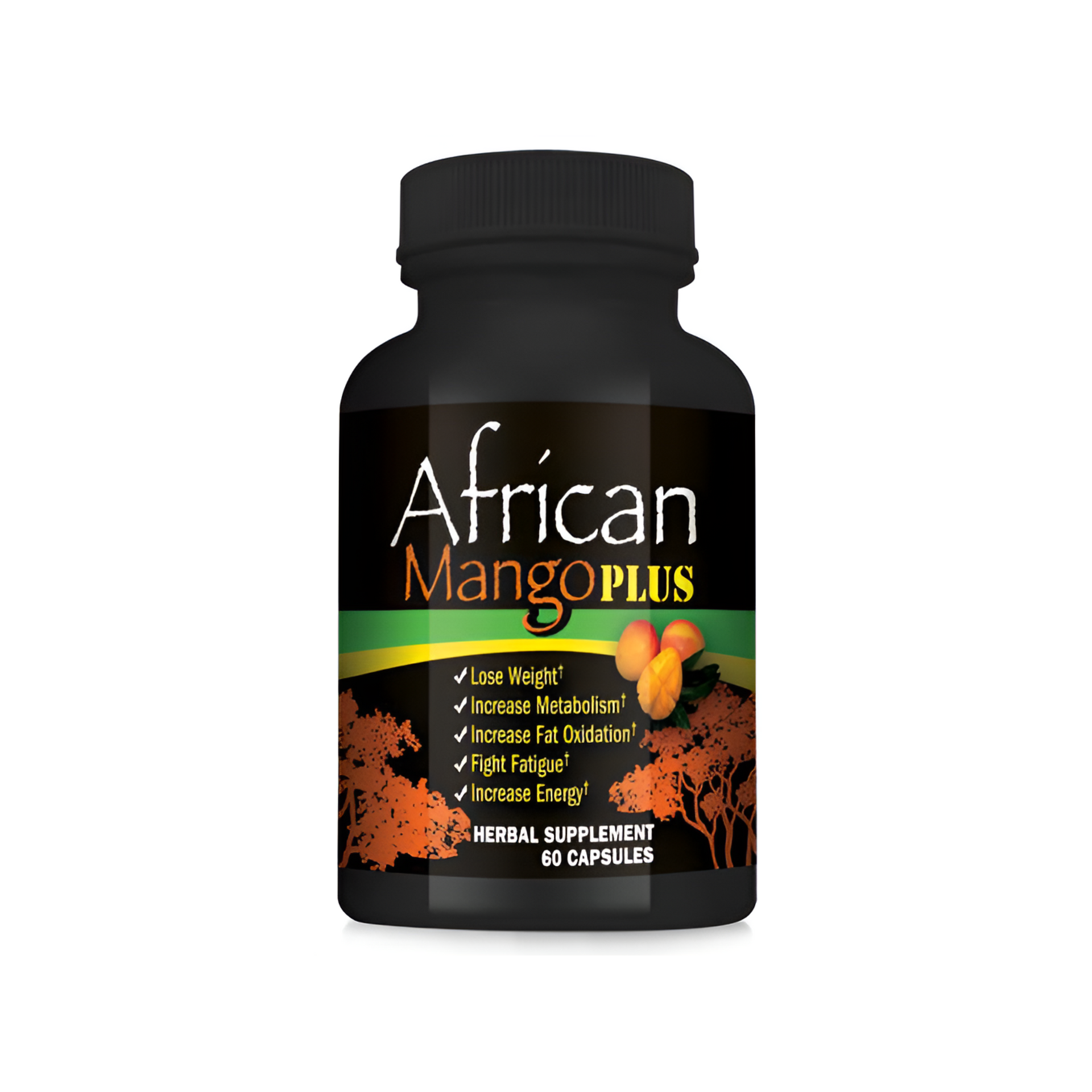
If you're trying to increase metabolism, burn more fat, and fight the kind of afternoon fatigue that derails your day, you've probably come across African Mango. It's one of the more talked-about natural solutions in the weight management space right now, especially among people who want real support alongside their diet and exercise routine. This guide breaks down exactly what African Mango is, what the science says, what side effects to watch for, and how to choose the right African Mango tablets so you spend your money wisely.
What Is African Mango?
African Mango refers to Irvingia gabonensis, a tree native to West and Central Africa. Its seed extract is used in supplements to support weight loss by reducing appetite, increasing fat oxidation, and boosting metabolism. It is different from the common mango (Mangifera indica) you find in the grocery store.
African Mango (Irvingia gabonensis) grows across the rainforests of Cameroon and Nigeria. People there have eaten the fruit for generations, but it's the seed, sometimes called the African mango seed, that caught researchers' attention around 2005.
The seed is rich in fiber and fat. That combination turns out to matter a lot for how the body processes food and stores energy. When concentrated into an extract and standardized for key compounds, that seed becomes the active ingredient in most African mango supplements on the market.
So how does African mango vs regular mango stack up? Regular mango is a sweet tropical fruit with vitamin C and antioxidants. African Mango is a different species entirely, used specifically for its metabolic and appetite-regulating properties. The two share a name and a vague family resemblance, but they're not interchangeable from a supplementation standpoint.
Most African mango tablets standardize the extract to a specific concentration of Irvingia gabonensis seed, often labeled as IGOB131, which is the form used in the most cited clinical studies.
Key African Mango Benefits Backed by Research
The main African Mango benefits include appetite reduction, improved fat oxidation, lower LDL cholesterol, and better blood sugar control. Studies suggest these effects are driven by the seed's soluble fiber content and its influence on adiponectin and leptin, two hormones that regulate hunger and fat storage.
Let's look at what the studies actually show rather than what the marketing says.
Appetite control. A 10-week randomized trial published in Lipids in Health and Disease found that participants taking 150 mg of Irvingia gabonensis twice daily lost significantly more weight than the placebo group. The likely mechanism is the seed fiber slowing gastric emptying, which keeps you feeling full longer.
Fat oxidation. African Mango appears to influence adiponectin levels. Adiponectin is a hormone that signals your body to burn fat for fuel. Higher adiponectin is generally associated with leaner body composition, so anything that nudges it upward is worth attention.
Metabolism support. Some research points to African Mango inhibiting an enzyme called glycerol-3-phosphate dehydrogenase, which plays a role in how fat cells form. Less new fat cell development means more of what you eat gets burned rather than stored.
Energy and fatigue. When fat oxidation improves and blood sugar stays more stable, the mid-afternoon energy crash tends to ease up. That's one reason people who are fighting fatigue often report feeling more consistent energy within a few weeks of starting a quality supplement.
Cholesterol and blood sugar. Several smaller studies show modest reductions in LDL cholesterol and fasting blood glucose. These aren't dramatic numbers, but they're meaningful for people managing their metabolic health alongside weight goals.
African mango weight loss reviews from users consistently highlight the appetite-suppressing effect as the first thing they notice, usually within the first 2 to 3 weeks.
African Mango Side Effects: What You Should Know
Common African Mango side effects are mild and include headache, sleep disturbances, and gas. Concerns about african mango side effects liver have been raised in isolated case reports, so people with existing liver conditions should consult a doctor before use.
No supplement is completely without risk, and African Mango is no exception. Here's an honest breakdown.
Common side effects (mild):
- Headache, particularly in the first week
- Flatulence or bloating from the high fiber content
- Dry mouth
- Difficulty sleeping if taken late in the day
Most of these resolve on their own once your body adjusts. Starting with a lower dose for the first week can reduce the chance of GI discomfort.
African Mango side effects liver. This is the question that comes up most often, and it deserves a straight answer. There are a small number of published case reports linking Irvingia gabonensis to liver enzyme elevations. These cases typically involved people taking very high doses or combination products with multiple stimulants. The major clinical trials using standardized doses (150 mg to 300 mg per day) have not found liver toxicity as a reported outcome.
That said, if you already have a liver condition or you're taking medications that affect liver function, talk to your doctor before starting any new supplement, including African Mango.
Drug interactions. African Mango may affect blood sugar levels, which matters if you're on diabetes medication. It may also interact with cholesterol-lowering drugs. Again, a quick conversation with your healthcare provider covers you.
Who should avoid it. Pregnant or breastfeeding women, children, and people with known liver or kidney disease should skip it until more safety data is available for those groups.
How to Choose the Best African Mango Supplement
When choosing the best African mango supplement, look for: standardized Irvingia gabonensis seed extract (IGOB131), a daily dose of 300 mg to 600 mg, no unnecessary fillers or stimulants, third-party testing, and a clear ingredient label with no proprietary blends that hide dosages.
The supplement market is crowded. A quick search for African mango tablets returns hundreds of options, and the quality varies enormously. Here's what separates a worthwhile product from a waste of money.
1. Standardized extract. Look for IGOB131 or a clearly stated percentage of active compounds on the label. Generic "African Mango extract" with no standardization tells you almost nothing about potency.
2. Dose transparency. The clinical studies used 150 mg twice daily (300 mg total). Some formulas go up to 600 mg. If a product buries the actual milligrams inside a proprietary blend, you can't know whether you're getting a therapeutic amount.
3. Minimal fillers. Magnesium stearate in small amounts is fine. But a product with a long list of artificial dyes, synthetic binders, or multiple stimulants (caffeine, synephrine, yohimbine) shifts the risk profile considerably.
4. Third-party testing. Look for NSF Certified for Sport, USP, or Informed Sport certification. These mean an independent lab verified that what's on the label is actually in the capsule.
5. Formula context. African Mango works best as part of a broader weight management approach, not as a standalone magic fix. A product that positions itself as a natural solution to be used alongside diet and exercise is being honest with you. One that promises dramatic results without any lifestyle changes is not.
HealthBuy's African Mango Plus checks the key boxes: a scientifically informed formula, a focus on fat burning and metabolism support, and a straightforward approach that doesn't oversell what the ingredient can do.
African Mango Dosage and How to Take It
The standard African Mango dosage used in clinical research is 150 mg of standardized Irvingia gabonensis seed extract taken twice daily, 30 to 60 minutes before meals, for a minimum of 8 to 10 weeks to see meaningful results.
Dosage matters more than most supplement labels admit. Taking twice the recommended amount doesn't double the benefit, and it can increase the chance of side effects.
The research-backed dose. Most positive studies used 150 mg of IGOB131 twice per day, totaling 300 mg daily. Some newer formulas use 600 mg split across two servings. Anything above 600 mg per day moves outside the range studied in clinical trials.
Timing. Take it 30 to 60 minutes before your two largest meals. The goal is to have the fiber active in your digestive system before a significant calorie load arrives, which supports the appetite-suppressing effect.
With water. This sounds obvious but matters with high-fiber supplements. Drink at least 8 ounces of water with each dose. Inadequate water with a fiber-rich supplement is the main reason people experience bloating.
Cycle length. The 10-week trial is the most referenced benchmark. Give yourself at least 8 weeks before judging results. Weight management is slow, incremental work, and supplements that support fat oxidation and metabolism don't produce overnight changes.
Avoid taking it after 4 p.m. Some users report mild sleep disruption. The cause isn't fully understood, but an early-day dosing schedule tends to avoid it.
Combine with lifestyle changes. African Mango as a natural solution works in support of, not instead of, a calorie-aware diet and consistent movement. Users who combine it with 150 minutes of moderate activity per week consistently report better results in african mango weight loss reviews than those who rely on the supplement alone.
African Mango vs Regular Mango: Why the Difference Matters
African Mango (Irvingia gabonensis) and regular mango (Mangifera indica) are unrelated species. African Mango seed extract contains soluble fiber and bioactive compounds that influence leptin and adiponectin signaling. Regular mango is a nutritious fruit but has no documented effect on fat metabolism or appetite hormones.
The naming confusion is real, and it causes people to make bad buying decisions. Let's settle this once and for all.
Regular mango is Mangifera indica. It's the sweet, orange-fleshed fruit you find at every grocery store. It's a solid source of vitamin C, beta-carotene, and dietary fiber. Eating one a day as part of a balanced diet is great. But it does not contain the bioactive compounds found in Irvingia gabonensis seed extract.
African Mango grows specifically in the humid forests of West and Central Africa. It produces a fruit that looks mango-adjacent but has a very different seed chemistry. The seed is the part that matters. It's high in soluble fiber (particularly a compound called mucilage) and plant-based fats that appear to interact with the hormones leptin and adiponectin in ways regular mango simply doesn't.
Leptin is the satiety hormone. When it functions properly, your brain gets a clear signal that you've eaten enough. Some researchers believe that disruptions in leptin signaling play a role in overeating and weight gain. African mango seed extract appears to improve leptin sensitivity, which may be one reason the appetite-suppressing effect is the most reliably reported benefit in user reviews.
When you're shopping, don't be misled by products that simply contain mango fruit powder or mango flavor. Check the label for Irvingia gabonensis and a standardized seed extract. That's the ingredient with the evidence behind it.
Who Is African Mango For? Matching the Supplement to Your Goals
African Mango supplements are best suited for adults who want to support fat oxidation, reduce appetite, and increase energy as part of a structured diet and exercise plan. They are not a replacement for medical treatment and are not recommended for pregnant women, children, or people with liver disease.
Not every supplement fits every person. African Mango tends to work best for a specific type of buyer.
You're a good fit if you:
- Are already eating reasonably well but struggling with appetite control
- Want to increase fat oxidation without loading up on stimulants
- Fight consistent fatigue that makes sticking to an exercise routine hard
- Are within 20 to 40 pounds of your goal weight and want metabolic support for the last stretch
- Prefer a natural solution to synthetic weight loss drugs
You're less likely to benefit if you:
- Expect a supplement to compensate for a high-calorie diet with no movement
- Have a liver condition or take medications that affect liver enzymes
- Are pregnant, nursing, or under 18
The target customer for a product like HealthBuy's African Mango Plus isn't someone looking for a shortcut. It's someone who is already doing the work, eating better, moving more, and wants a natural solution that can help close the gap, boost their metabolism, and give them enough energy to stay consistent.
For a deeper look at the full research picture on dosing, clinical outcomes, and how African Mango compares to other weight management ingredients, check out HealthBuy's complete African Mango guide. It covers everything from mechanism of action to what results you can realistically expect within 60 to 90 days.
If you're ready to try it, African Mango Plus from HealthBuy is formulated specifically around the research-backed dose, without unnecessary stimulants, so it fits naturally into a focused, sustainable approach to weight management.
Frequently asked questions
What does African Mango do for weight loss?
African Mango seed extract supports weight loss by reducing appetite, increasing fat oxidation, and improving the function of leptin and adiponectin, two hormones that regulate hunger and fat storage. Clinical studies using 300 mg per day of standardized Irvingia gabonensis extract found meaningful reductions in body weight over 8 to 10 weeks.
Are there side effects of taking African Mango supplements?
The most common side effects are mild: headache, bloating, gas, and occasional sleep disruption if taken late in the day. Concerns about african mango side effects on the liver have appeared in isolated case reports involving very high doses or multi-ingredient stimulant products. Standard doses of 300 mg to 600 mg per day have not shown liver toxicity in clinical trials.
How long does it take to see results from African Mango?
Most users notice reduced appetite within 2 to 3 weeks. Measurable changes in body weight and energy levels typically become more apparent after 8 to 10 weeks of consistent use. African Mango works best when combined with a calorie-aware diet and regular physical activity.
What is the correct dose of African Mango?
The dose used in the most-cited clinical research is 150 mg of standardized Irvingia gabonensis seed extract (IGOB131) taken twice daily, 30 to 60 minutes before meals, for a total of 300 mg per day. Some formulas use up to 600 mg daily. Doses above 600 mg move outside the range studied in trials.
Is African Mango the same as regular mango?
No. African Mango (Irvingia gabonensis) and regular mango (Mangifera indica) are completely different species. Regular mango is a nutritious tropical fruit with no documented effect on fat metabolism. African Mango seed extract contains specific bioactive compounds that influence hunger hormones and fat oxidation.
Can I take African Mango tablets if I have a health condition?
People with liver disease, kidney conditions, or diabetes, and those taking prescription medications, should consult a doctor before starting African Mango. It may affect blood sugar and liver enzyme levels. Pregnant or breastfeeding women and children should avoid it until more safety data is available for those groups.
Related in this series
Ready to try African Mango?
View pricing


