
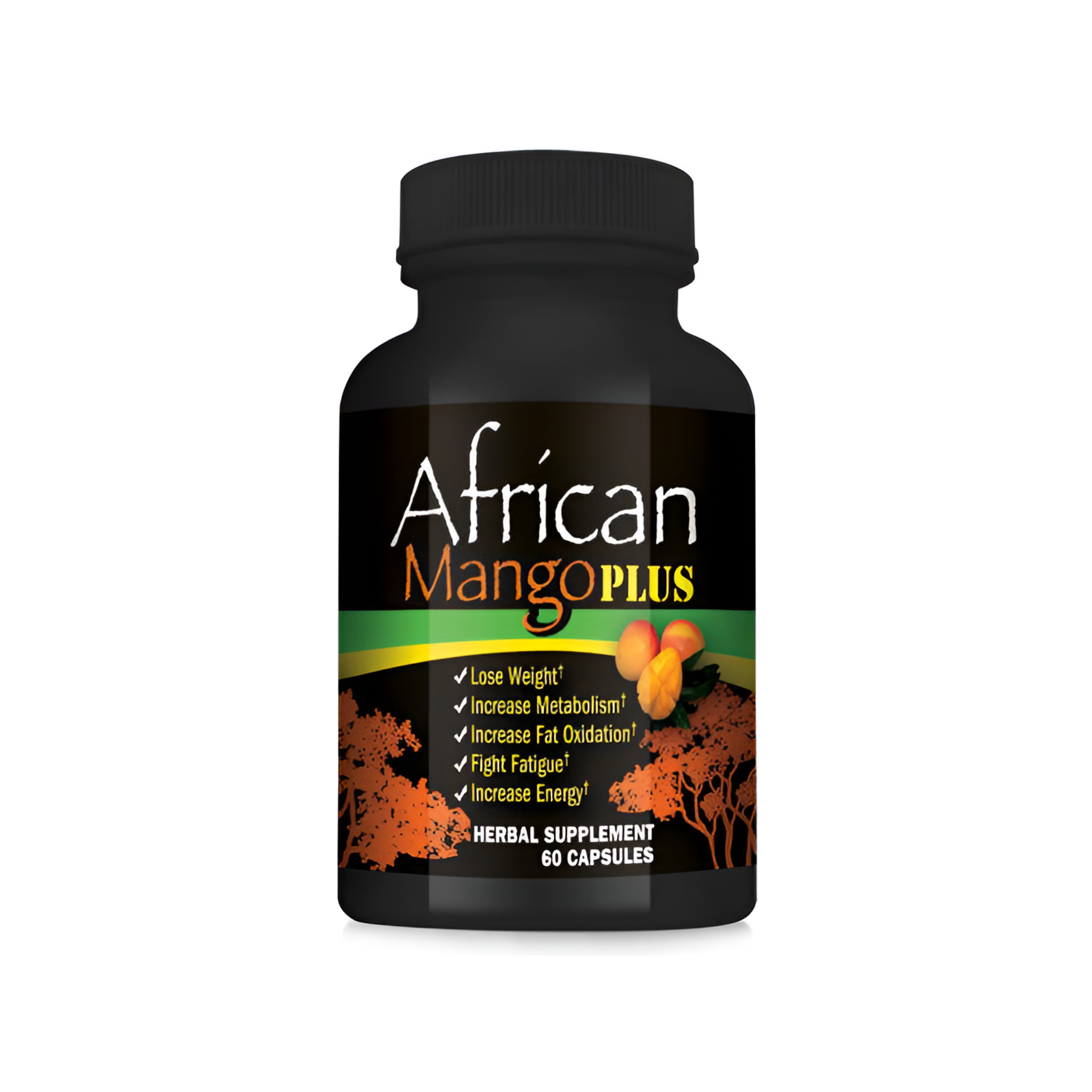
If you're trying to increase metabolism, close the gap on stubborn weight, boost fat oxidation, fight fatigue, or find more energy throughout the day, you've probably stumbled across African Mango. The supplement aisle is crowded, though, and not every product is created equal. This guide is for anyone ready to move past the noise and make a clear, informed purchase decision about the best African Mango supplement for their goals in 2026.
What Is African Mango, Exactly?
African Mango (Irvingia gabonensis) is a West African tree whose seed extract is used as a natural supplement for weight loss. The seed, often called "dikka nut," contains soluble fiber and compounds that may help reduce appetite, support fat metabolism, and improve blood lipid levels when combined with diet and exercise.
The fruit looks similar to a regular mango on the outside, but that's where the resemblance ends. It's the seed inside that researchers have focused on, and it behaves very differently from a common mango pit.
Irvingia gabonensis has been eaten and used medicinally in parts of Cameroon and Nigeria for generations. Modern supplement makers extract and concentrate the seed's active compounds into capsules or tablets, making it easy to take a consistent daily dose.
The key difference between African Mango and regular mango is the fiber profile of the seed. The seed is rich in a soluble fiber called mucilage, which slows digestion and may influence hormones tied to hunger and fat storage. Regular mangoes don't carry this compound in meaningful amounts.
When you see terms like "African Mango seed extract" or "IGOB131" on a label, those refer to standardized forms of this ingredient that have been tested in clinical research.
African Mango Benefits Worth Knowing About
Research-backed African Mango benefits include: appetite reduction, improved fat oxidation, modest weight loss support, lower LDL cholesterol, reduced fasting blood sugar, and increased energy levels. These effects appear most consistent when the supplement is paired with a calorie-controlled diet and regular physical activity.
Let's go through the main African Mango benefits that appear across peer-reviewed studies, because marketing claims and actual evidence are two different things.
Appetite reduction. The soluble fiber in African Mango seed extract slows the rate at which your stomach empties. That physical effect translates to feeling fuller for longer, which makes it easier to eat less without feeling deprived.
Fat oxidation. Some studies suggest African Mango may influence adiponectin, a hormone that plays a role in how your body burns fat for fuel. Higher adiponectin levels are generally associated with better fat metabolism.
Weight loss support. A 2009 study published in Lipids in Health and Disease found that participants taking 150 mg of IGOB131 twice daily lost significantly more body weight than the placebo group over 10 weeks. Weight loss in studies is typically modest, 5 to 10 pounds over 8 to 12 weeks, not dramatic overnight results.
Energy and fatigue. As your body improves how it processes stored fat for energy, many users report feeling less sluggish through the afternoon. That's the kind of steady energy that comes from metabolic support rather than a caffeine spike.
Blood lipids and blood sugar. Several trials noted improvements in LDL cholesterol and fasting glucose levels in participants taking African Mango extract. These are secondary benefits worth noting, especially for people managing metabolic health alongside their weight.
None of this replaces a solid diet and consistent exercise. African Mango is a natural solution that works alongside your habits, not instead of them.
African Mango Side Effects: What the Liver Data Actually Shows
African Mango side effects are generally mild and include headache, sleep disturbance, and flatulence. Concerns about african mango side effects on the liver are not well-supported by current clinical data, though people with pre-existing liver conditions should consult a doctor before use.
A fair buyer's guide has to address this directly. Searching "african mango side effects liver" returns a lot of concern, so let's unpack what the evidence actually says.
Most clinical trials report only minor side effects: headaches, trouble sleeping, and gas. These tend to be short-lived and often resolve after the first week or two as your body adjusts.
The liver concern appears to stem largely from general caution around supplements and from a small number of anecdotal reports. As of 2026, no large controlled trial has established a direct link between standard African Mango seed extract doses and liver damage in healthy adults. That said, supplements in general can interact with medications that the liver processes, so the precaution is not irrational.
Practical guidance:
- Stick to doses used in research: 150 mg of standardized extract, taken twice daily before meals.
- If you take prescription medications, especially statins or diabetes drugs, run it past your doctor first.
- If you have a diagnosed liver condition, ask a healthcare provider before starting any new supplement.
- Choose products that carry third-party testing certification, because label accuracy matters.
The bottom line: for most healthy adults, African Mango is well-tolerated at standard doses. Responsible use means following the label and checking in with your doctor if you have any existing health concerns.
African Mango Tablets vs. Capsules vs. Powder: Which Format Fits Your Life?
African Mango tablets, capsules, and powders all deliver the same seed extract. Tablets are convenient and shelf-stable. Capsules are easy to swallow and often absorb slightly faster. Powders allow flexible dosing but require mixing. Most clinical research used capsule-based extracts at 150 mg twice daily.
The format you choose is mostly a lifestyle decision, but there are a few practical points worth considering.
African Mango tablets are compressed and very portable. They tend to have a longer shelf life once opened and are easy to toss in a bag. Some tablets use binders and fillers to hold their shape, so check the inactive ingredients if you have sensitivities.
Capsules are probably the most common format on the market. The outer shell dissolves quickly in your stomach, which may mean slightly faster absorption compared to a compressed tablet. Most of the clinical research you'll read was conducted using encapsulated extracts.
Powders give you flexibility to blend the extract into a smoothie or protein shake. The trade-off is that measuring a precise dose every day takes a little more effort, and powders can clump if stored in a humid environment.
For most people, capsules hit the sweet spot of convenience and consistency. If you already take a stack of capsules each morning and prefer fewer pills, African Mango tablets are a solid alternative.
Whatever format you choose, the key number to look for on the label is the amount of standardized seed extract per serving. Products that list only "African Mango fruit blend" without specifying seed extract content or a standardization percentage are harder to evaluate. Favor transparency.
How to Choose the Best African Mango Supplement
To find the best African Mango supplement, check for these five things: (1) standardized Irvingia gabonensis seed extract, (2) a dose of at least 150 mg per serving, (3) third-party testing or GMP certification, (4) a clean inactive ingredient list, and (5) a clear return policy from the seller.
With dozens of options online, the decision can feel paralyzing. Here's a practical checklist to cut through the noise.
1. Seed extract, not just fruit. The active compounds come from the seed. A product listing "African Mango" without specifying seed extract may be giving you primarily fruit powder, which won't deliver the same effects.
2. Dose backed by research. The studies that showed meaningful results used 150 mg of standardized extract, twice a day, before meals. That's 300 mg total per day. Products with dramatically lower doses are hard to evaluate.
3. Third-party testing. Look for certifications from NSF International, USP, or Informed Sport. These independent auditors verify that what's on the label is actually in the bottle.
4. Short, clean ingredient list. You don't need artificial colors, unnecessary fillers, or a proprietary blend that hides individual amounts. The simpler the label, the easier it is to trust.
5. Brand transparency. Does the company publish where they source their extract? Do they provide a way to contact customer support? A seller willing to stand behind their product with a clear return or satisfaction policy signals confidence in what they're selling.
HealthBuy's African Mango Plus is built around these principles: a natural solution for weight loss that works as a complement to your diet and exercise routine, not a shortcut around them. It's designed for people who are already doing the work and want targeted metabolic support alongside it.
What Real Users Say: African Mango Weight Loss Reviews in Context
African Mango weight loss reviews consistently show that users who pair the supplement with dietary changes and exercise report more noticeable results than those who take it alone. Modest, steady weight loss over 8 to 12 weeks is the most commonly reported outcome, rather than rapid dramatic change.
Reading african mango weight loss reviews across verified purchase platforms in 2026 reveals a clear pattern. People who go in expecting a passive fix tend to be disappointed. People who treat it as metabolic support on top of real lifestyle effort tend to be satisfied.
Here are the most common themes in positive reviews:
- Reduced cravings, especially for afternoon snacking
- Feeling full faster during meals
- Slightly more energy without the jitteriness of a stimulant product
- Gradual scale movement over 6 to 10 weeks, typically 4 to 8 pounds in combination with dietary changes
Negative reviews typically fall into two categories. First, people who expected large, rapid weight loss without changing their diet. Second, people who experienced the mild early side effects (headache, gas) and stopped before giving the supplement a fair window.
The honest takeaway: African Mango is a natural weight loss support tool, not a standalone solution. The research backs it, the user reports align with the research, and the side effect profile is manageable for most people. Set a 10 to 12 week timeline, track your food intake, stay active, and judge results from that baseline.
African Mango vs. Regular Mango: Why the Seed Changes Everything
African Mango vs. regular mango: a regular mango is a sweet tropical fruit with minimal dietary fiber and no weight loss compounds in meaningful amounts. African Mango seed extract comes from the dikka nut of Irvingia gabonensis, a different species entirely, and contains concentrated soluble fiber and bioactive compounds not found in common mangoes.
This comparison trips a lot of people up when they first start researching. The two fruits look alike from the outside, but they are distinct species with completely different nutritional and functional profiles.
A regular mango (Mangifera indica) is a delicious source of vitamin C, vitamin A, and natural sugars. It's nutritious and worth eating. But it contains no meaningful amount of the soluble fiber or bioactive compounds that make African Mango seed extract interesting to researchers.
African Mango (Irvingia gabonensis) grows in Central and West Africa. The fruit pulp is edible but unremarkable. The seed, dried and ground or extracted into concentrate, is where the functional compounds live. It's a completely different botanical family from the mango you'd buy at a grocery store.
So if someone suggests that eating more regular mangoes will give you the same effect as an African Mango supplement, that's not accurate. You'd need to be eating Irvingia gabonensis seeds, not Mangifera indica fruit.
For a deeper look at the full research picture, dosing protocols, and how African Mango fits into a broader weight management plan, the complete guide on African Mango benefits and dosage covers everything in one place.
Frequently asked questions
How much African Mango should I take per day?
Clinical studies used 150 mg of standardized Irvingia gabonensis seed extract taken twice daily, 30 minutes before two main meals, for a total of 300 mg per day. Always follow the specific label directions on the product you purchase, as concentrations vary between brands.
How long does it take to see results from African Mango?
Most clinical trials ran for 8 to 12 weeks, which is a reasonable window to expect meaningful results. Some users report reduced appetite within the first two weeks. Measurable weight changes typically appear around weeks 6 to 10, especially when combined with a calorie-controlled diet and regular exercise.
Is African Mango safe for the liver?
Current clinical data does not link standard doses of African Mango seed extract to liver damage in healthy adults. The most commonly reported side effects are mild: headache, gas, and occasional sleep disruption. If you have a liver condition or take medications processed by the liver, speak with your doctor before starting any new supplement.
Can I take African Mango if I have diabetes or take blood sugar medication?
African Mango may have a modest blood-sugar-lowering effect, which means it could interact with diabetes medications and increase the risk of hypoglycemia. Anyone taking metformin, insulin, or other glucose-lowering drugs should consult their healthcare provider before adding African Mango to their routine.
What is the difference between African Mango fruit and African Mango seed extract?
The fruit pulp of Irvingia gabonensis is edible but not the source of the supplement's active compounds. African Mango seed extract, sometimes listed as IGOB131, comes from the dried, concentrated seed (dikka nut) and contains the soluble fiber and bioactive ingredients studied for weight loss and metabolic support.
Does African Mango work without diet and exercise?
The research shows the greatest results when African Mango is used alongside dietary changes and physical activity. Studies where participants also followed a calorie-reduced diet saw the most consistent weight loss outcomes. Using African Mango as a natural complement to your existing healthy habits gives it the best chance to work.
Related in this series
Ready to try African Mango?
View pricing


