
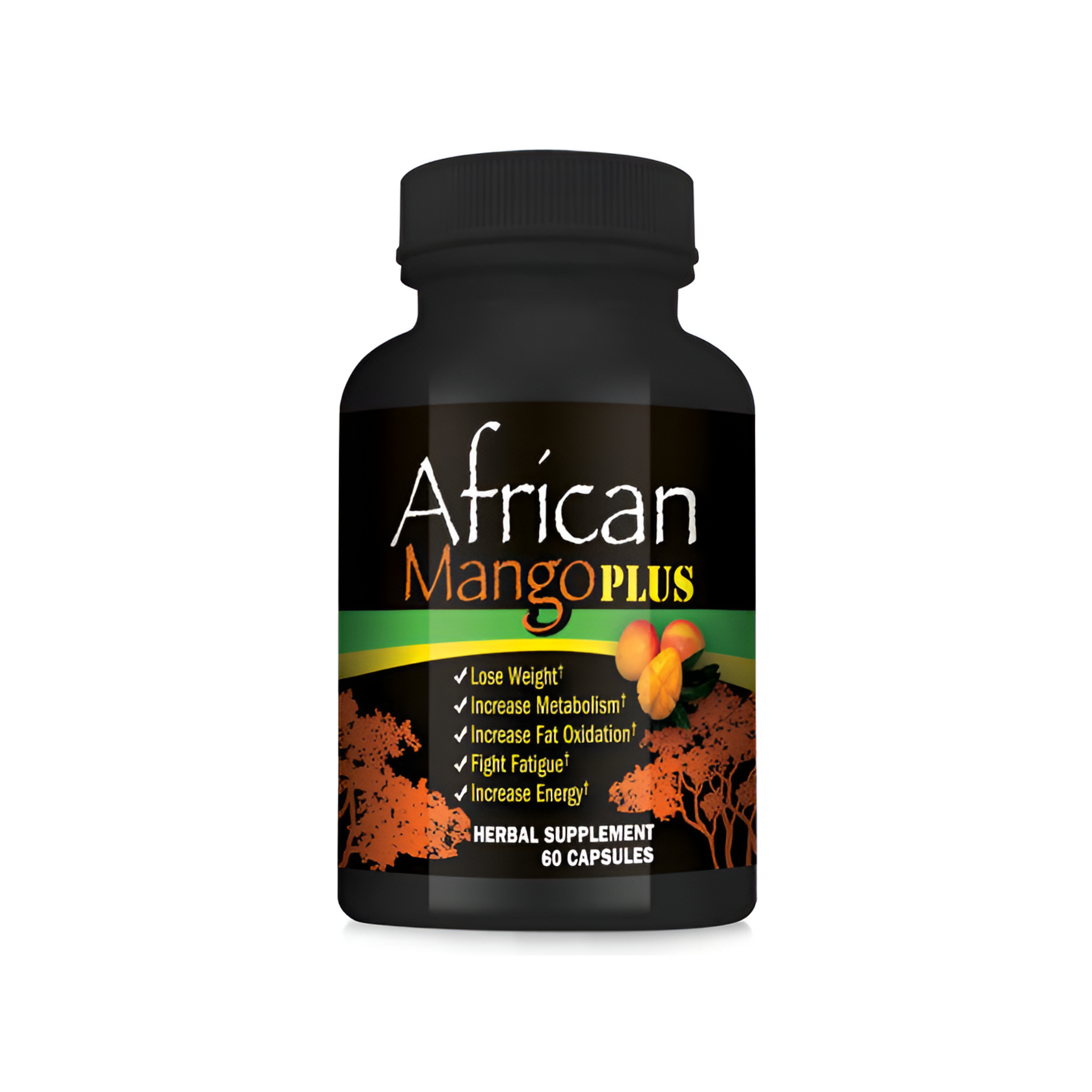
If you're trying to increase your metabolism, close the gap on stubborn weight, boost fat oxidation, or fight the kind of fatigue that derails a healthy routine, African Mango has probably crossed your radar. Derived from the seed of Irvingia gabonensis, a tree native to West and Central Africa, this natural ingredient has attracted serious scientific attention. Here's what the evidence actually shows, stripped of the hype.
What Is African Mango?
African Mango is the common name for Irvingia gabonensis, a fruit tree native to West and Central Africa. Its seeds, not the fruit flesh, contain the bioactive compounds studied for weight management. These seeds are rich in soluble fiber, healthy fats, and polyphenols that may influence metabolism, appetite hormones, and fat cell activity.
African Mango is not the same as a regular grocery-store mango. The fruit flesh tastes similar, but that's roughly where the resemblance ends. The seeds, sometimes called "bush mango" seeds, are the part that matters scientifically.
Irvingia gabonensis seed extract is rich in soluble fiber (particularly a compound called mucilage), oleic acid, and polyphenols. Each of these plays a different role in how the body handles calories, appetite, and fat storage. Think of the seed as a different tool built for a different job than the tropical fruit sitting in your fruit bowl.
For people targeting weight management alongside diet and exercise, African Mango offers a natural starting point. HealthBuy's African Mango Plus uses this seed extract as its core ingredient, making it a straightforward addition to an evidence-informed routine rather than a standalone cure. The distinction matters: the science points to meaningful support, not magic.
African Mango Benefits Backed by Clinical Research
Key African Mango benefits documented in clinical studies include: reduced body weight and waist circumference, lower fasting blood glucose, improved LDL cholesterol levels, decreased leptin resistance, reduced C-reactive protein (inflammation marker), and slowed carbohydrate absorption due to soluble fiber content.
A 2009 randomized, double-blind, placebo-controlled trial published in Lipids in Health and Disease is the most-cited study on Irvingia gabonensis. Over 10 weeks, participants taking 150 mg of the seed extract twice daily lost an average of 12.8 kg (about 28 lb), compared to 0.7 kg in the placebo group. That's a dramatic difference, and it's worth reading carefully.
Smaller or shorter studies show more modest effects, typically 2 to 4 kg of additional weight loss over 8 to 12 weeks when combined with a calorie-controlled diet. That range is more realistic for most people.
Three mechanisms appear most credible right now:
- Leptin sensitivity. African Mango seed extract may lower leptin levels, which helps the body respond normally to hunger signals again.
- Fat cell (adipocyte) activity. Lab studies suggest Irvingia inhibits an enzyme called glycerol-3-phosphate dehydrogenase, which is involved in fat storage.
- Fiber-driven appetite control. The high soluble fiber content slows gastric emptying, helping you feel full longer after eating.
None of this replaces a calorie deficit or physical activity. But for someone already working on both, the african mango benefits may meaningfully tip the scale.
African Mango and Metabolism: How the Seed Affects Fat Oxidation
African Mango seed extract may increase fat oxidation by influencing adiponectin levels. Adiponectin is a hormone that signals cells to burn fat for fuel. Higher adiponectin is linked to faster metabolism and better insulin sensitivity, both important for people working to lose weight and increase energy.
Metabolism is not a single dial you can simply turn up. It's a network of hormonal signals, enzyme activity, and cellular processes. African Mango appears to interact with at least two of those pathways.
First, the adiponectin connection. Several studies show that Irvingia supplementation raises adiponectin, a hormone produced by fat cells that actually helps the body burn fat more efficiently. Low adiponectin is common in people with obesity and metabolic syndrome. Raising it even modestly can shift the body toward burning stored fat rather than storing more.
Second, the thyroid pathway. Preliminary evidence suggests African Mango seed extract may support healthy thyroid hormone conversion, specifically T4 to T3, the active form. T3 directly controls basal metabolic rate. This research is early, but it offers a plausible explanation for why some users report increased energy and reduced fatigue when supplementing with African Mango tablets.
For people specifically targeting increased fat oxidation and fighting fatigue, these two pathways are the most relevant. HealthBuy formulates African Mango Plus around the seed extract dose ranges used in the clinical literature, 150 to 300 mg per day, to align with what the research actually tested.
African Mango Side Effects and Liver Safety
African Mango side effects are generally mild and include headache, sleep disturbances, flatulence, and loose stools, particularly at the start of supplementation. Concerns about african mango side effects liver arose from isolated case reports, but published clinical trials have not found significant liver enzyme elevations at standard doses.
No supplement discussion is complete without an honest look at safety. African Mango's side effect profile is considered mild in the clinical literature, but a few points deserve attention.
The most commonly reported issues in trials are headache (reported by roughly 15% of participants in one study), gastrointestinal discomfort such as gas and loose stools, and mild sleep disturbance. Most of these resolve within the first two weeks as the body adjusts to the increased fiber load.
On the liver question: concern about african mango side effects on the liver comes primarily from a small number of case reports, not controlled trials. The 2009 and 2013 clinical studies both monitored liver enzymes (ALT, AST) and found no clinically significant elevations at 150 to 300 mg per day. That said, anyone with a pre-existing liver condition should consult a doctor before starting any new supplement, including African Mango tablets.
Standard precautions apply:
- Start with the lower end of the dose range.
- Take with a full glass of water given the fiber content.
- Avoid combining with other stimulant-based supplements without professional guidance.
- Pregnant or nursing individuals should skip it until more data is available.
The overall safety picture is favorable at label-directed doses, but "natural" does not automatically mean risk-free for every individual.
African Mango vs Regular Mango: A Quick Comparison
African Mango (Irvingia gabonensis) and regular mango (Mangifera indica) are unrelated species that share a similar fruit appearance. Regular mango is valued for its vitamin C, beta-carotene, and dietary fiber. African Mango supplements use the seed extract, which contains distinct compounds not found in regular mango at meaningful concentrations.
This question comes up often, and it's worth a clear answer. The two fruits look alike on the outside. That's where the botanical similarity ends.
Regular mango (Mangifera indica) belongs to the cashew family. It's an excellent whole food, high in vitamins A and C, mangiferin, and natural sugars. You won't find the leptin-modulating or adipocyte-inhibiting compounds from Irvingia in a bowl of diced Alphonso mangoes.
African Mango (Irvingia gabonensis) belongs to the Irvingiaceae family, a completely separate lineage. The bioactive compounds, particularly the soluble fiber mucilage and the specific polyphenol profile, are unique to this tree and concentrated in its seed.
So no, eating more regular mango will not produce the same effects as african mango tablets. They are genuinely different foods with different nutritional profiles and different research bodies behind them. The shared word "mango" in the common name creates confusion, but the science is clear on the distinction.
What to Look for in the Best African Mango Supplement
The best African Mango supplement should specify Irvingia gabonensis seed extract on the label, list a dose between 150 mg and 300 mg per serving, and be free of unnecessary fillers. Third-party testing, transparent dosing, and a clean ingredient list are the three most important quality markers.
The supplement market is crowded, and not every product labeled "African Mango" delivers what the research tested. Here's what to check before you buy.
Dose transparency. The clinical studies used 150 mg of Irvingia gabonensis seed extract twice daily. Products that list a proprietary blend without disclosing individual ingredient amounts make it impossible to know whether you're getting a meaningful dose.
Seed extract, not fruit powder. The bioactive compounds are in the seed, not the fruit. A label listing "African Mango fruit powder" is not equivalent to seed extract. Check carefully.
Minimal fillers. Binders, artificial colorants, and excessive flow agents add cost and potential allergen risk without adding benefit.
Third-party testing. Look for a certificate of analysis (COA) or a statement that the product is manufactured in an FDA-registered facility following current Good Manufacturing Practices (cGMP).
African mango weight loss reviews on independent platforms are worth reading, but look for patterns across multiple reviews rather than individual outliers in either direction. One glowing review or one bad review tells you very little. Consistent reports of increased energy and reduced appetite over 8 to 12 weeks are a better signal.
For the target person, someone working to increase metabolism, reduce stubborn weight, boost fat oxidation, and fight fatigue, the seed extract dose and product purity matter more than the brand name on the label.
Putting African Mango Into a Realistic Routine
African Mango works best as a complement to a calorie-controlled diet and regular exercise, not a replacement for them. Studies showing the strongest results combined supplementation with dietary guidance. Expect meaningful support for appetite and metabolism over 8 to 12 weeks, not overnight transformation.
Science-backed supplements are tools, not shortcuts. That framing matters because it sets realistic expectations and prevents disappointment.
The strongest African Mango weight loss reviews, both in clinical settings and from real users, come from people who pair supplementation with two fundamentals: a moderate calorie deficit (typically 300 to 500 calories per day below maintenance) and consistent movement, whether that's 30-minute walks five days a week or structured gym sessions.
In that context, African Mango seed extract appears to make those efforts more effective by reducing appetite hormones, supporting fat oxidation, and potentially easing the fatigue that causes people to skip workouts or reach for high-calorie snacks. It does not replace the work. It makes the work stick better.
A practical starting point for 2026:
- Take 150 mg of Irvingia gabonensis seed extract with breakfast and again before dinner.
- Give it a full 8 weeks before evaluating results.
- Track energy levels and appetite alongside body measurements, not just scale weight.
- Combine with 25 to 30 grams of total dietary fiber per day for synergistic effect.
For a deeper look at dosage specifics, the research behind each benefit, and how African Mango compares to other natural weight management ingredients, see the full breakdown in our complete guide to African Mango benefits and dosage.
Frequently asked questions
Does African Mango actually work for weight loss?
Clinical studies, including a 2009 randomized controlled trial in Lipids in Health and Disease, show that Irvingia gabonensis seed extract can meaningfully support weight loss when combined with diet and exercise. Effects in shorter or smaller studies are more modest, typically 2 to 4 kg of additional loss over 8 to 12 weeks. It is not a standalone solution, but the evidence is more substantial than for many other natural weight management ingredients.
What are the main African Mango benefits?
The most documented African Mango benefits include reduced body weight and waist circumference, improved appetite control through leptin regulation, better blood glucose management, modest LDL cholesterol reduction, and increased adiponectin, a hormone linked to faster fat oxidation. Some users also report increased energy and reduced fatigue, which may relate to thyroid hormone support.
Are there African Mango side effects on the liver?
Concerns about African Mango side effects on the liver come from isolated case reports, not controlled clinical trials. The major published studies monitored liver enzymes throughout and found no significant elevations at standard doses of 150 to 300 mg per day. Anyone with a pre-existing liver condition should consult their doctor before using any new supplement.
How is African Mango different from regular mango?
African Mango (Irvingia gabonensis) and regular mango (Mangifera indica) are entirely different plant species that happen to share a similar-looking fruit. Regular mango is a nutrient-rich whole food, but it does not contain the seed compounds that give African Mango its metabolic effects. Supplements use Irvingia seed extract specifically, which has no equivalent in regular mango.
How long does it take for African Mango tablets to show results?
Most clinical studies ran for 8 to 12 weeks, and that is the realistic window for noticeable results. Some users report reduced appetite and slightly improved energy within the first 2 to 3 weeks. Significant changes in body weight or waist measurements typically emerge after 6 to 8 weeks of consistent use alongside a calorie-controlled diet.
What dose of African Mango seed extract is supported by research?
The dose used in the most-cited clinical trials is 150 mg of Irvingia gabonensis seed extract taken twice daily, once before breakfast and once before dinner, for a total of 300 mg per day. Products should list the seed extract dose clearly on the label. Avoid proprietary blends that hide individual ingredient amounts.
Related in this series
Ready to try African Mango?
View pricing


