
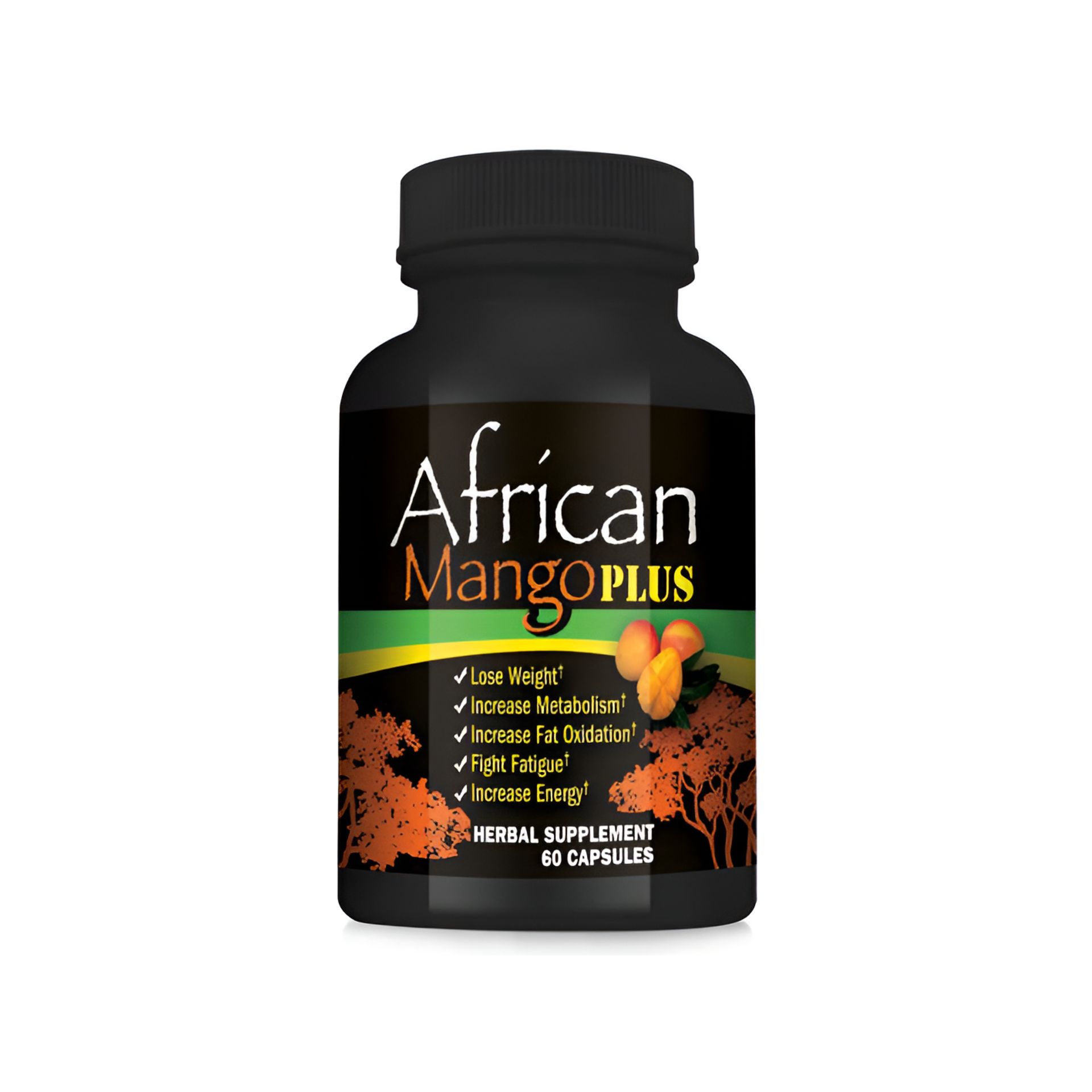
If you're trying to increase metabolism, shed stubborn weight, or fight daily fatigue without reaching for synthetic stimulants, you've probably wondered how African Mango stacks up against other options on the market. I've spent considerable time reviewing the research, and honestly, the differences matter more than most comparison articles let on. This guide breaks down what separates seed-based, natural solutions like African Mango from conventional supplements, so you can make a smarter choice for your specific goals.
What Is African Mango, Exactly?
African Mango refers to the seed extract of Irvingia gabonensis, a fruit native to West and Central Africa. Researchers study it for its ability to support fat oxidation, reduce appetite, and improve metabolic markers, making it a distinct option from stimulant-heavy weight loss supplements.
African Mango is not your standard tropical fruit supplement. The active ingredient comes from the seed, often called Irvingia gabonensis extract or IGOB131. While the flesh of the fruit is edible and nutritious, it's the seed that carries the compounds linked to metabolic support.
Researchers began paying serious attention to this extract around 2009, when a double-blind study published in Lipids in Health and Disease reported statistically significant reductions in body weight and waist circumference over 10 weeks. That's a concrete starting point most supplement comparisons skip.
What makes the seed interesting is its fiber profile. It's rich in soluble fiber, which can slow glucose absorption, support healthy cholesterol levels, and contribute to feelings of fullness. Because that mechanism is different from caffeine or thermogenic stimulants, many people find it gentler on the system.
For HealthBuy customers who specifically want to increase fat oxidation and boost energy without the jitteriness of stimulant blends, understanding this seed-based origin story matters a great deal.
African Mango vs Green Tea Extract: Key Differences
African Mango works mainly through fiber-based appetite regulation and adiponectin support, while green tea extract relies on EGCG and caffeine to boost thermogenesis. They target weight loss through different pathways, which means they suit different user profiles.
Green tea extract is one of the most studied weight loss ingredients in the world. Its main active compounds, EGCG and caffeine, raise metabolic rate and encourage the body to burn more calories at rest. Results in clinical trials are real, though often modest: roughly 3 to 4% increases in metabolic rate over short periods.
African Mango seed extract works differently. Rather than stimulating the central nervous system, it appears to influence leptin sensitivity, the hormone that signals fullness to the brain. When leptin signaling is impaired, you feel hungry even after eating a reasonable meal. Improving that sensitivity addresses the root issue for many people who struggle with constant cravings.
So which one wins? Honestly, it depends on your starting point. If you're sensitive to caffeine or already consuming two or three coffees a day, adding green tea extract on top can cause anxiety, disrupted sleep, and elevated heart rate. African Mango tablets, by contrast, don't carry the same stimulant load.
That said, green tea extract has a longer track record in Western supplement research. African Mango benefits are promising, but the volume of published human studies is still growing. If you need certainty backed by decades of data, green tea has the edge. If you want a stimulant-free option that targets appetite and fat metabolism simultaneously, the seed extract is worth a close look.
African Mango vs Garcinia Cambogia: Appetite vs. Fat Blocking
Garcinia Cambogia uses HCA to inhibit an enzyme involved in fat production, while African Mango seed extract focuses on appetite hormones and metabolic rate. Both are plant-derived, but their mechanisms and side effect profiles differ meaningfully.
Garcinia Cambogia had its moment in the spotlight around 2012 after a wave of television endorsements. The active compound, hydroxycitric acid (HCA), theoretically blocks an enzyme called citrate lyase, which the body uses to make fat. That sounds compelling on paper.
In practice, the human trial results for Garcinia have been inconsistent. A 2011 meta-analysis in the Journal of Obesity found an average weight loss difference of about 0.88 kg over placebo, which is small. More concerning, several case reports have linked high-dose Garcinia supplements to liver stress, though dosage and formulation quality varied widely across those reports.
African mango side effects liver concerns do exist in the literature, but they're much rarer and largely tied to poorly standardized extracts rather than properly dosed IGOB131. When you're comparing plant-based options, standardization quality matters as much as the plant itself.
For HealthBuy's target customers, specifically those who experience fatigue alongside their weight goals, the energy-neutral nature of African Mango is a genuine advantage. Garcinia doesn't directly address energy levels or fat oxidation in the same targeted way. If your primary struggle is appetite and you also want metabolic support, the seed extract covers more ground within a single mechanism.
African Mango vs Raspberry Ketones and Synthetic Blends
Raspberry ketones are a synthetic compound, not derived directly from raspberries in supplement quantities, with limited human clinical data. African Mango seed extract has multiple published human trials supporting its use for weight and metabolic outcomes.
Raspberry ketones became massively popular around 2012, largely driven by media coverage rather than peer-reviewed science. Here's the catch: the amount of real raspberries needed to produce a meaningful dose of ketones would be enormous, and most supplement-grade raspberry ketones are synthesized in a lab. That's not inherently dangerous, but it does undercut the 'natural' positioning most brands use.
As of 2026, human clinical evidence for raspberry ketones remains thin. Most supporting studies are animal-based or conducted in vitro, meaning the results don't always translate to what happens inside a human body.
African Mango weight loss reviews in clinical settings are a different story. The 2009 Fackam et al. study and subsequent research showed meaningful differences in body fat percentage, waist circumference, and blood lipid profiles compared to placebo groups, using actual human participants.
Synthetic blends, those multi-ingredient fat burners with 12 to 20 ingredients per capsule, present their own challenges. While combining compounds can theoretically create synergy, it also makes it nearly impossible to know which ingredient is working and which is causing a side effect. For someone trying to pinpoint what's helping them, that complexity is a liability.
A targeted supplement like African Mango Plus, which concentrates on the best-studied active compound, gives you a cleaner signal. You're not guessing which of 15 ingredients moved the needle.
African Mango Benefits Beyond Weight: What the Research Shows
Beyond weight loss, African Mango seed extract is studied for its effects on fasting blood glucose, LDL cholesterol, C-reactive protein (inflammation marker), and leptin levels. These metabolic markers matter for long-term health, not just short-term scale movement.
Weight on a scale is one metric. But several published studies on Irvingia gabonensis track markers that tell a fuller story about metabolic health.
Blood glucose management is one area where the seed extract shows consistent results. Because the fiber slows carbohydrate absorption, people using African Mango alongside a structured diet often see steadier post-meal glucose readings. That matters even if you don't have a diagnosed blood sugar condition, since glucose spikes drive energy crashes and afternoon fatigue.
Since energy and fatigue are two of the main concerns for HealthBuy's customers, this is worth emphasizing: it's not just about burning fat. It's about feeling better through the day. If your metabolism is running inefficiently, even moderate meals can leave you sluggish by 3 p.m.
LDL cholesterol reductions have also been documented in some trials, though effect sizes vary. C-reactive protein, a marker of systemic inflammation, showed decreases in at least one published study, which is relevant since chronic low-grade inflammation is linked to metabolic slowdown.
For people comparing best african mango supplement options, the key differentiator isn't just the plant species. It's the standardization of the extract (look for IGOB131), the dosage per serving (typically 150 mg twice daily in research settings), and whether the formula includes complementary ingredients that support rather than overshadow the seed extract's mechanism.
African Mango Side Effects: What to Watch For
Reported African Mango side effects include headaches, sleep disturbances, and mild digestive changes, primarily at higher doses. Liver-related concerns are rare and largely associated with poorly standardized extracts. Most users in clinical trials tolerated it well at 150 mg twice daily.
No supplement is entirely without risk, and being upfront about that is part of making a responsible recommendation. In the published trials on IGOB131, the most commonly reported side effects were headaches, difficulty sleeping, and flatulence. None of these were severe, and they tended to resolve within the first week or two.
African mango side effects liver concerns deserve a direct answer. Case reports of liver stress exist, but they involve non-standardized, high-dose products, not properly formulated extracts at research-backed doses. The difference between a lab-standardized extract and a random seed powder is significant, which is why product quality matters so much when comparing supplements in this category.
People who are pregnant, breastfeeding, or taking medications for blood sugar or cholesterol should speak with a doctor before adding any extract-based supplement to their routine. That's not a disclaimer written for legal cover. It's genuinely practical advice since African Mango appears to influence glucose and lipid metabolism, and those interactions can be real.
In my experience reviewing supplement research, the products with the fewest reported issues are those with clear standardization labels and dosages that match clinical studies. African Mango tablets dosed to IGOB131 specifications have a cleaner safety profile than many of the synthetic multi-ingredient blends they compete against.
For a thorough breakdown of dosage guidance and what to look for on a label, the full African Mango guide covers that territory in detail.
Which Supplement Type Fits Your Goals?
Choose African Mango seed extract if your primary goals are appetite control, fat oxidation, and metabolic support without stimulants. Choose green tea extract if you want mild thermogenic effects and don't mind caffeine. Avoid multi-ingredient synthetic blends if you want to track what's actually working.
Pulling it all together: the supplement that fits you depends almost entirely on what's actually driving your weight challenges.
If constant hunger is your main obstacle, African Mango's influence on leptin sensitivity makes it a logical first choice. If your metabolism runs slowly and you tolerate caffeine well, green tea extract is a proven, low-cost addition. If you've already tried both categories and want to step up, a combination approach, though it complicates tracking, is something some practitioners recommend.
One honest note from a customer who tried African Mango Plus: 'I noticed my cravings between meals dropped noticeably in the second week. I wasn't expecting that part.' That kind of feedback aligns with what the leptin research predicts, which is a meaningful signal.
African Mango vs regular mango is also a question worth addressing quickly. Eating whole mangoes is healthy, but the flesh doesn't deliver the concentrated seed compounds in meaningful quantities. You'd need to consume impractical amounts of the whole fruit to replicate what a standardized extract provides.
For HealthBuy customers who want a natural solution that pairs with actual dietary changes and exercise, rather than replacing them, African Mango Plus is designed with that philosophy in mind. It's not a shortcut. It's a support tool that works better when you're already moving in the right direction.
The clearest comparison result: among natural, seed-based options with published human trial data, African Mango seed extract stands on firmer scientific ground than most of its competitors in 2026.
Frequently asked questions
What does African Mango actually do for weight loss?
African Mango seed extract (Irvingia gabonensis) appears to support weight loss by improving leptin sensitivity, which helps regulate appetite, slowing glucose absorption through soluble fiber, and supporting fat oxidation. Clinical trials have reported reductions in body weight, waist circumference, and blood lipid levels compared to placebo over 10-week periods.
Are there real side effects from taking African Mango supplements?
The most commonly reported side effects in clinical trials are headaches, mild digestive changes, and occasional sleep disturbances, particularly at higher doses. Liver-related concerns have appeared in case reports but are linked to poorly standardized, non-IGOB131 extracts rather than properly formulated supplements. Most participants in studies tolerated 150 mg twice daily without serious issues.
How does African Mango compare to Garcinia Cambogia?
Both are plant-derived weight loss supplements, but they work differently. Garcinia Cambogia's HCA targets an enzyme involved in fat synthesis, while African Mango seed extract focuses on appetite hormones and metabolic rate. Human trial data for African Mango is generally considered more consistent than the mixed results seen in Garcinia Cambogia research.
Is African Mango the same as eating regular mangoes?
No. African Mango supplements use extract from the seed of Irvingia gabonensis, not the fruit flesh. The seed contains concentrated compounds linked to metabolic support that aren't present in meaningful quantities in the fruit you'd eat. Regular mangoes are nutritious, but they won't deliver the same effects as a standardized seed extract.
What dosage of African Mango is supported by research?
Most published human trials used 150 mg of standardized IGOB131 extract taken twice daily, typically before meals. This dosage was associated with the most consistent results for weight, waist circumference, and blood lipid markers. Products should clearly list the extract standardization on the label rather than just 'African Mango seed powder'.
Can African Mango help with fatigue and energy levels?
Indirectly, yes. Because African Mango seed extract may help stabilize blood glucose by slowing carbohydrate absorption, some users experience fewer post-meal energy crashes and reduced afternoon fatigue. It doesn't stimulate the central nervous system like caffeine, so energy improvements tend to be steady rather than peak-and-crash.
Related in this series
Ready to try African Mango?
View pricing


