
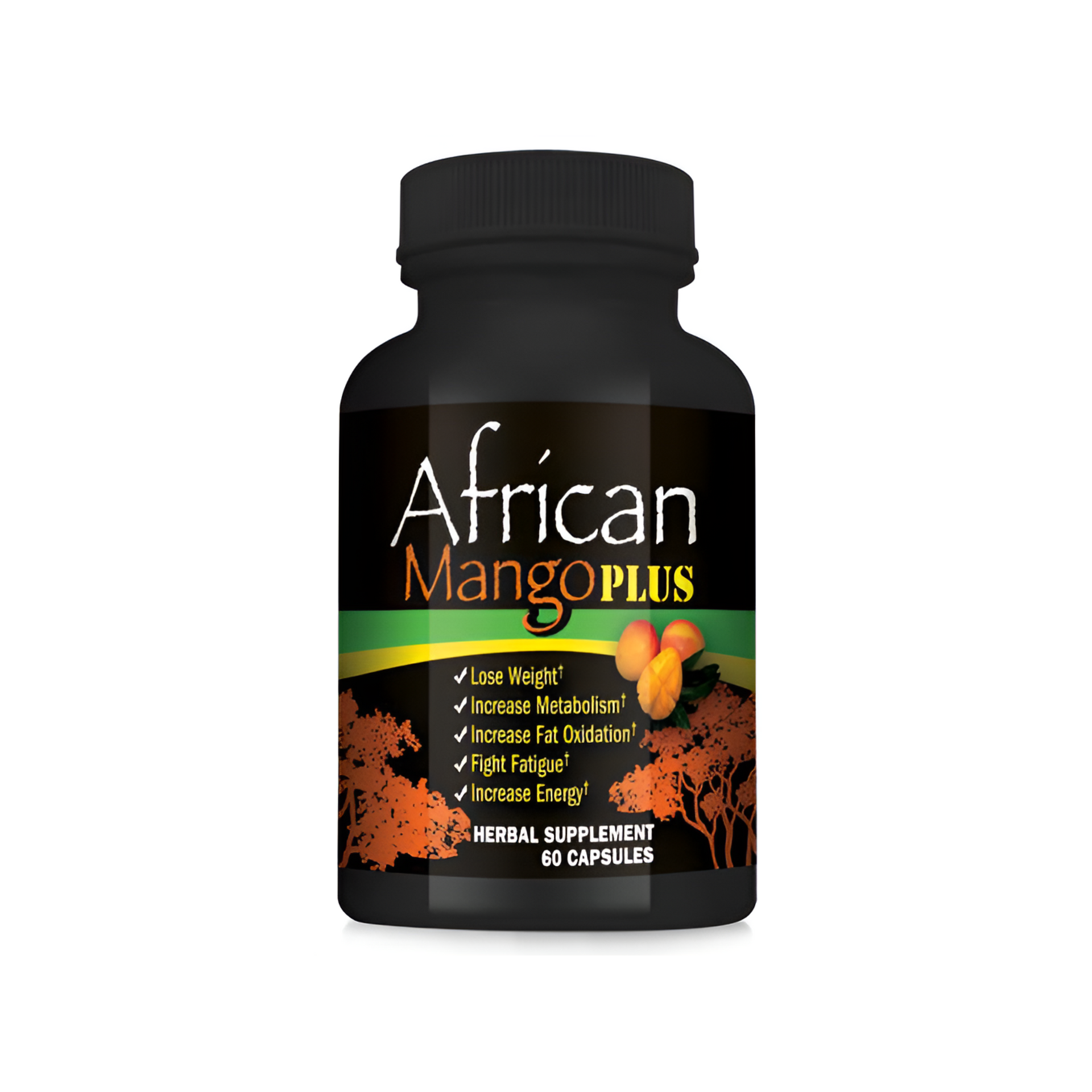
If you're trying to close the gap between where your weight is now and where you want it to be, African Mango might be the natural support your routine is missing. Sourced from the seed of the Irvingia gabonensis tree, this fruit has earned real attention from people looking to increase metabolism, fight fatigue, and boost fat oxidation alongside a healthy diet and exercise plan. At HealthBuy, we built African Mango Plus specifically for that target: natural, focused support for everyday people who want measurable progress, not miracle claims.
What Is African Mango?
African Mango (Irvingia gabonensis) is a West African fruit whose seed extract is used as a natural weight-loss support ingredient. It works by helping regulate leptin sensitivity, slow carbohydrate absorption, and reduce appetite, making it a popular addition to diet and exercise programs targeting fat loss and metabolic health.
African Mango grows natively in Cameroon and other parts of West Africa. The fruit itself looks similar to a regular mango, but the seed, called the "dikka nut," is where the active compounds live. Researchers focus almost entirely on the seed extract rather than the fruit pulp.
The key compounds are soluble fiber and a group of plant proteins that appear to influence how the body manages blood sugar and appetite hormones. Leptin, the hormone that tells your brain you're full, is a primary target. When leptin signaling is disrupted, hunger spikes even when calorie intake is adequate.
African Mango vs regular mango is a common comparison people search for. Regular mango is a nutritious fruit, but it doesn't share the same seed-extract profile. The weight-related effects come specifically from Irvingia gabonensis seed, not from the fruit's flesh or from common mango varieties sold in grocery stores.
This distinction matters when you're shopping for supplements. A product labeled simply "mango extract" is not the same thing. Look for "Irvingia gabonensis" or "African Mango seed extract" on the label to confirm you're getting the right ingredient.
Core African Mango Benefits Backed by Research
The main African Mango benefits include: reduced appetite through leptin regulation, slower glucose absorption from meals, increased fat oxidation, modest reductions in body weight and waist circumference, and improvements in cholesterol markers in several small clinical trials.
A 2005 study published in the journal Lipids in Health and Disease followed 40 participants over 4 weeks. Those taking Irvingia gabonensis seed extract lost an average of 5.26 pounds compared to 1.32 pounds in the placebo group. Waist circumference also dropped meaningfully in the extract group.
A larger 2009 study with 102 participants over 10 weeks showed even more pronounced results, with the extract group losing an average of 28 pounds. That study has been criticized for a small sample and industry funding, so treat it as directional rather than conclusive. Most independent researchers consider the data promising but call for larger trials.
On the metabolic side, African Mango seed extract appears to slow the enzyme adiponectin in ways that affect how fat cells store and release energy. This is the fat oxidation pathway that people aiming to increase fat burning care about most.
African mango benefits also extend to cholesterol management. Several trials noted reductions in LDL cholesterol and triglycerides alongside weight changes. These effects were modest, roughly 10 to 15 percent in some studies, but they point to a broader metabolic influence beyond simple appetite suppression.
For anyone dealing with low energy and fatigue alongside weight challenges, the appetite and blood sugar stabilization effects may indirectly support more consistent daily energy levels. Fewer blood sugar spikes means fewer energy crashes mid-afternoon.
African Mango Side Effects and Liver Safety
Reported African Mango side effects are generally mild and include headache, gas, difficulty sleeping, and constipation. Concerns about African Mango side effects on the liver remain limited to a small number of case reports, and no large clinical trial has confirmed a direct causal link at standard supplemental doses.
Most people tolerate African Mango tablets and capsules well at the doses used in research, typically 150 mg to 300 mg of seed extract twice per day. Side effects, when they occur, tend to appear in the first week and ease off as the body adjusts.
The liver question deserves a straightforward answer. A handful of case reports have described elevated liver enzymes in people taking African Mango supplements, which raised early concern. However, many of those cases involved combination products with multiple ingredients, making it impossible to isolate African Mango as the cause. No controlled clinical trial has confirmed liver toxicity from Irvingia gabonensis seed extract used alone at standard doses.
That said, anyone with a pre-existing liver condition should talk to their doctor before starting any new supplement, including African Mango. This is general medical prudence, not a specific indictment of the ingredient.
If you're on medications that affect blood sugar or cholesterol, check with a healthcare provider as well. African Mango's effect on glucose absorption and lipids means there is a theoretical interaction risk with diabetes medications and statins, even if documented cases are rare.
Pregnant and breastfeeding individuals should avoid the supplement. Not because of proven harm, but because there is simply no safety data for those populations.
How to Take African Mango Tablets for Best Results
To get the most from African Mango tablets: take 150 mg to 300 mg of seed extract 30 to 60 minutes before meals, twice daily. Pair with at least 8 oz of water. Most studies showing positive results ran for 8 to 12 weeks, so consistency over that window matters more than any single dose.
Timing is the first variable most people overlook. Taking African Mango before meals, rather than with or after them, lines up with the mechanism. The soluble fiber in the seed extract needs time to form a gel in the digestive tract that slows glucose absorption and triggers satiety signals before food arrives.
Dose matters too. Studies that showed meaningful results used standardized extracts in the 150 mg to 300 mg range per serving, taken twice a day. Products that use vague "proprietary blends" without disclosing Irvingia gabonensis content make it hard to know if you're reaching an effective dose.
HealthBuy's African Mango Plus uses a transparent formulation designed around that research window. It's paired best with real dietary changes, not used as a substitute for them. Think of it as a support layer on top of a calorie-conscious diet, not a replacement for one.
Consistency across 8 to 12 weeks gives the extract time to influence leptin sensitivity. Short-term use of 2 to 3 weeks is unlikely to show the same results seen in clinical trials. Set a realistic window, track your progress honestly, and adjust your diet and activity alongside the supplement.
Hydration amplifies the fiber effect. Soluble fiber absorbs water to do its job. Aim for at least 2 liters of water per day while using African Mango, especially if you notice any initial digestive discomfort.
African Mango for Metabolism and Fat Oxidation
African Mango seed extract may increase metabolism indirectly by improving leptin sensitivity, reducing fasting blood glucose, and supporting the body's ability to use stored fat for energy. These effects combine to make it easier to maintain a calorie deficit without the intense hunger that typically undermines diet adherence.
The metabolism angle is one of the most searched aspects of African Mango, and it's worth unpacking what "increase metabolism" actually means here. The supplement is not a stimulant. It won't raise your heart rate or produce the jittery energy of caffeine-based fat burners.
Instead, the metabolic effect is hormonal and enzymatic. By influencing leptin and adiponectin, African Mango seed extract appears to shift the body's fuel preference slightly toward fat oxidation. That means a greater proportion of calories burned come from stored fat rather than carbohydrates, at rest and during low-intensity activity.
For people who feel chronically fatigued, this pathway is particularly relevant. When blood sugar is unstable, energy levels fluctuate sharply through the day. Slowing glucose absorption with each meal tends to smooth out those spikes, which translates to more consistent energy rather than a sharp post-meal crash followed by fatigue.
African mango weight loss reviews frequently mention reduced cravings as the first noticeable effect, usually within the first 2 weeks. This aligns with the leptin mechanism. Hunger decreases not because calories are artificially restricted but because the brain receives a clearer satiety signal after meals.
Paired with a protein-rich diet and 3 to 4 sessions of moderate exercise per week, the fat oxidation support from African Mango seed extract is most likely to show up in body composition changes: less fat mass, preserved lean mass. That is a better outcome than scale weight alone.
Choosing the Best African Mango Supplement in 2026
When choosing the best African Mango supplement, look for: standardized Irvingia gabonensis seed extract at 150-300 mg per serving, a transparent label without hidden proprietary blends, third-party testing or GMP-certified manufacturing, and no excessive filler ingredients. Avoid products that combine African Mango with unverified stimulants.
The supplement market for African Mango has grown significantly since the early clinical trials, and that means product quality varies widely. Here is what separates a credible product from a low-value one.
First, check the actual ingredient name on the label. "African Mango extract" without specifying Irvingia gabonensis seed is a red flag. The seed extract is the studied form. Fruit pulp extracts have no comparable research behind them.
Second, dose transparency matters. If the label hides Irvingia gabonensis inside a "weight management blend" with five other ingredients and a total blend weight of 500 mg, you have no way to know if you're getting 50 mg or 300 mg. Research-backed doses start at 150 mg per serving.
Third, manufacturing standards. Look for GMP (Good Manufacturing Practice) certification or third-party testing. These are minimum credibility markers, not premium claims.
Fourth, watch for stimulant combinations. Some African Mango products add caffeine, synephrine, or other stimulants to create an energy effect and mask a low active dose. If you're sensitive to stimulants or have a heart condition, those combinations carry additional risk.
For the complete picture on what clinical research says about dosing and expected outcomes, the full guide on African Mango benefits and dosage is worth reading before you buy.
HealthBuy developed African Mango Plus as a natural solution intended to work alongside diet and exercise, not instead of them. That philosophy is baked into the formulation: no unnecessary fillers, a clear Irvingia gabonensis dose, and no stimulant-masking ingredients.
Realistic Expectations: What African Mango Can and Cannot Do
African Mango is a support tool, not a standalone solution. Clinical trials show average weight losses of 5 to 28 pounds over 8 to 10 weeks when combined with a calorie-controlled diet, but results vary based on starting weight, adherence, and lifestyle factors. No supplement replaces the fundamentals of energy balance.
Honest expectation-setting is one of the most useful things any supplement brand can do, and it's something HealthBuy takes seriously. African Mango works within the context of your overall habits. It does not override a high-calorie diet or a sedentary lifestyle.
What it can do is make the process easier. Reduced hunger means fewer unplanned snacks. Better energy means more consistent workouts. Improved fat oxidation means a higher proportion of weight lost comes from fat rather than muscle. These are meaningful, compounding advantages for anyone who has already committed to diet and exercise.
What it cannot do is produce large, fast weight loss on its own. The trials that showed the strongest results also involved dietary guidance alongside the supplement. Expecting 20 pounds in a month from a supplement alone is not realistic for any product, African Mango included.
A practical goal: use African Mango Plus for 10 to 12 weeks alongside a moderate calorie deficit of 300 to 500 calories per day and 3 exercise sessions weekly. Track how hunger levels change, how your energy holds up through the afternoon, and how your clothes fit, not just the scale number.
For a full breakdown of how African Mango fits into a broader weight management approach, including specific dosing recommendations and what the current research says, check out HealthBuy's African Mango resource. It covers the science in plain language and helps you set a timeline that makes sense for your situation.
Frequently asked questions
How long does it take for African Mango to work?
Most people notice reduced hunger and more stable energy within 1 to 2 weeks. Meaningful changes in body weight and fat mass typically appear after 8 to 12 weeks of consistent use alongside a calorie-controlled diet. Short-term use of 2 to 3 weeks is unlikely to produce the results seen in clinical research.
Is African Mango safe for the liver?
Current evidence does not confirm that African Mango seed extract causes liver damage at standard doses (150 to 300 mg twice daily). A small number of case reports raised questions, but most involved multi-ingredient products. Anyone with a liver condition should consult a doctor before use.
What is the difference between African Mango and regular mango?
Regular mango is a nutritious fruit but has no documented weight-loss properties. African Mango refers specifically to Irvingia gabonensis, a West African tree whose seed extract contains compounds that influence leptin sensitivity, glucose absorption, and fat metabolism. The two fruits are not nutritionally interchangeable.
Can I take African Mango tablets if I am on medication?
African Mango may interact with diabetes medications and cholesterol-lowering drugs due to its effects on blood sugar and lipids. If you take prescription medications, speak with your doctor before adding any African Mango supplement to your routine.
What should I look for in the best African Mango supplement?
Look for a product that lists Irvingia gabonensis seed extract with a disclosed dose of at least 150 mg per serving, GMP-certified manufacturing, and no hidden proprietary blends. Avoid products that combine African Mango with unverified stimulants or that fail to specify the seed extract form.
Does African Mango work without diet and exercise?
The clinical trials showing positive results all included dietary guidance alongside the supplement. African Mango is most effective as a support tool within a calorie-controlled diet and regular exercise program. Using it without any lifestyle changes is unlikely to produce the results documented in research.
Related in this series
Ready to try African Mango?
View pricing


