
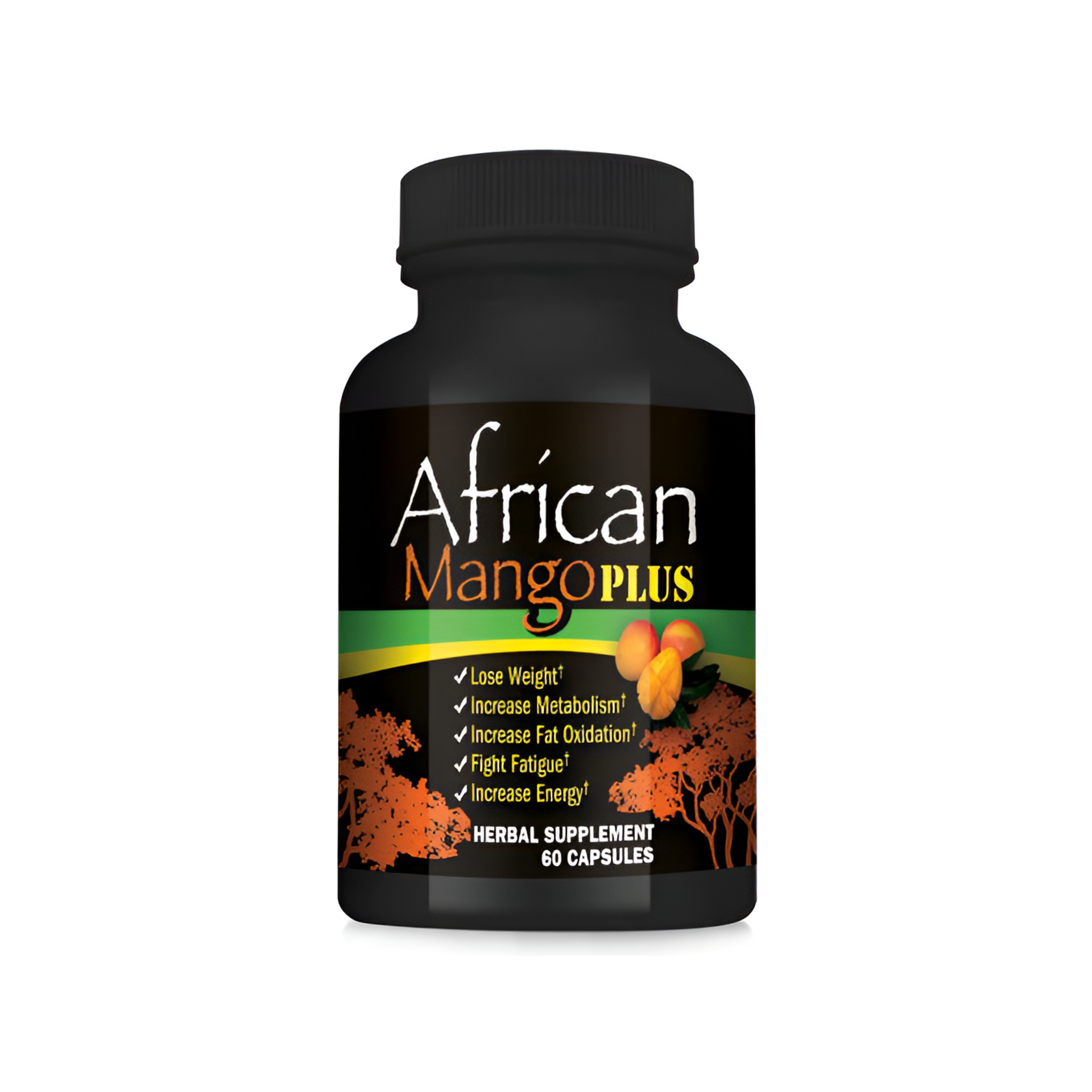
If you're trying to close the gap on stubborn weight, increase your metabolism, and fight off the fatigue that derails so many diets, African Mango is worth a serious look. At HealthBuy, we designed African Mango Plus specifically for people who want a natural solution that works alongside real diet and exercise habits, not instead of them. This guide walks you through exactly what the African Mango seed extract does, who it helps most, and how to use it effectively in 2026.
What Is African Mango?
African Mango (Irvingia gabonensis) is a West African fruit whose seed extract, often called IGOB131, is used as a natural weight loss supplement. It works by supporting fat oxidation, reducing appetite, and improving metabolism, making it distinct from regular mango varieties grown elsewhere.
African Mango is the common name for Irvingia gabonensis, a fruit tree native to the rainforests of Cameroon and Nigeria. The fruit itself looks similar to a regular mango, but the two plants are not closely related botanically. The key difference comes from the seed inside.
The seed, or kernel, is packed with a soluble fiber called Irvingia extract (IGOB131 in its standardised supplement form). This fiber interacts with several metabolic pathways tied to fat storage and appetite regulation. That is what makes african mango vs regular mango such a meaningful distinction: a regular mango is a great fruit, but it does not contain IGOB131.
Researchers at the University of Yaounde in Cameroon published one of the earliest clinical trials on IGOB131 in 2005, and a follow-up randomised, double-blind trial in 2009 with 102 participants showed meaningful reductions in body weight, waist circumference, and blood lipids over 10 weeks. Those numbers gave the supplement real scientific credibility.
The african mango seed extract is what you will find in quality african mango tablets and capsules. HealthBuy uses this standardised extract in African Mango Plus, so you are getting the researched compound at a useful concentration, not just powdered fruit pulp.
Key African Mango Benefits Backed by Research
The main african mango benefits include reduced appetite through leptin regulation, improved fat oxidation, lower fasting blood glucose, and a modest but measurable increase in resting metabolic rate. Most clinical studies used 150 mg of IGOB131 twice daily for 8 to 10 weeks.
Let's look at the specific mechanisms, because understanding them helps you use the supplement more intentionally.
Appetite reduction. African mango seed extract appears to increase sensitivity to leptin, the hormone that tells your brain you are full. When leptin signalling is impaired (a common issue in people who carry excess weight), hunger becomes harder to manage. IGOB131 may help correct that signal.
Increased fat oxidation. The soluble fiber in the seed slows digestion and can shift the body toward burning stored fat for fuel. This is especially relevant for people who feel their metabolism has stalled despite consistent effort.
Better blood lipid profiles. The 2009 Cameroon trial reported drops in total cholesterol and LDL cholesterol alongside weight loss, which is a useful secondary benefit for many adults.
Energy support. When your body oxidises fat more efficiently, the practical result is more sustained energy across the day. Many users of african mango weight loss reviews report feeling less afternoon fatigue, which tracks with the metabolic mechanism.
Blood sugar stabilisation. The soluble fiber slows carbohydrate absorption, which helps moderate post-meal glucose spikes. Stable glucose means fewer energy crashes, which in turn makes it easier to stick with a calorie-controlled diet.
These benefits do not appear overnight. Most trials ran for at least 8 weeks before significant changes were recorded, so patience and consistency matter a lot here.
African Mango Side Effects: What the Evidence Says
Reported african mango side effects are generally mild and include headache, gas, and loose stools, particularly in the first 1 to 2 weeks of use. Concerns about african mango side effects liver have not been confirmed in controlled trials, but people with pre-existing liver conditions should consult a doctor before starting.
No supplement is completely free of potential downsides, and African Mango is no exception. Here is an honest look at what the research and user reports show.
Common mild side effects. The most frequently reported issues are headache, flatulence, and loose stools. These typically appear in the first week or two and resolve as the body adjusts to the increased soluble fiber intake. Staying well-hydrated (aim for at least 2 litres of water daily) reduces the likelihood of digestive discomfort.
The liver question. Some online discussions raise concerns about african mango side effects liver. To date, peer-reviewed clinical trials have not found evidence of liver toxicity at standard doses (150 mg IGOB131 twice daily). However, most trials lasted 10 weeks or fewer, so long-term data is limited. Anyone with a diagnosed liver condition or who takes hepatically-metabolised medications should get medical clearance first.
Sleep disruption. A small number of users report difficulty sleeping, possibly because improved energy metabolism makes it harder to wind down. Taking your second dose before 3 pm rather than with dinner often resolves this.
Drug interactions. If you take medications for diabetes or cholesterol, African Mango's glucose and lipid-lowering effects may compound those medications' actions. A quick conversation with your doctor or pharmacist takes about five minutes and could prevent an unintended interaction.
For most healthy adults following the recommended dose on a quality product like African Mango Plus, the risk profile is low. Start at the standard dose, note any changes in a journal for the first two weeks, and adjust accordingly.
How to Take African Mango Tablets for Best Results
To get the most from african mango tablets: take 150 mg of IGOB131 extract 30 minutes before your two largest meals, drink at least 250 ml of water with each dose, maintain a calorie-appropriate diet, and allow 8 to 10 weeks for measurable fat loss results.
Dosing strategy makes a meaningful difference with this supplement. Here is a practical protocol based on the clinical evidence.
Timing. Take one tablet (150 mg IGOB131) approximately 30 minutes before lunch and 30 minutes before dinner. Taking it before meals makes use of the appetite-suppressing effect at exactly the moment you need it: before you decide how much to eat.
Water intake. Soluble fiber needs water to do its job. Swallow each tablet with at least a full glass of water (250 ml minimum). Skipping this step reduces the fiber's ability to form a gel in your stomach, which is part of how it slows digestion and curbs hunger.
Pair it with a structured diet. African Mango Plus is described on the HealthBuy label as a natural solution for weight loss along with diet and exercise, and that framing is deliberate. The supplement amplifies the results of a calorie-controlled diet. It is not a replacement for one. Aim for a 300 to 500 calorie daily deficit from whole foods, and the african mango seed extract does the rest of its metabolic work in the background.
Exercise matters too. Even three 30-minute walks per week improve the fat oxidation results meaningfully. Resistance training amplifies the metabolic rate increase further.
Cycle length. Use African Mango Plus for a minimum of 8 weeks before assessing results. Weight loss that is real and sustainable typically shows up as 0.5 to 1 kg per week once the supplement and lifestyle habits are working together. Do not judge results after two weeks.
Storage. Keep tablets in a cool, dry place away from direct sunlight. Heat degrades the soluble fiber content over time.
African Mango vs Regular Mango: Why the Difference Matters
African mango vs regular mango: regular mango (Mangifera indica) is a tropical fruit rich in vitamin C and beta-carotene but contains no IGOB131 fiber. African mango (Irvingia gabonensis) is a different species entirely, and its weight loss properties come specifically from the seed kernel extract, not the fruit flesh.
This comparison confuses a lot of people, so it is worth spelling out clearly.
Regular mango (Mangifera indica) is the sweet, orange-fleshed fruit found in every supermarket. It is nutritious. It is high in vitamin C, beta-carotene, and dietary fiber. But it has no meaningful overlap with African mango at the molecular level that matters for weight management.
African mango (Irvingia gabonensis) belongs to a completely different plant family (Irvingiaceae vs Anacardiaceae). The fruit pulp is tart and less palatable. The part that matters is the seed kernel, which is processed into a standardised extract containing the active soluble fiber complex. You would need to eat enormous quantities of raw Irvingia kernels to approximate a single 150 mg standardised capsule, which is why tablets and capsules are the practical delivery format.
This distinction also explains why you cannot get the same benefit from eating regular mango or from generic "tropical fruit" supplements. If a product does not specify IGOB131 or standardised Irvingia gabonensis seed extract on the label, it likely does not contain the researched compound.
When you are looking for the best african mango supplement, check the label for: standardised seed extract (not fruit or leaf), the IGOB131 designation or equivalent, and a clear milligram dose per capsule. HealthBuy's African Mango Plus meets all three criteria, which is why it is a dependable choice rather than an arbitrary one.
Who Gets the Most from African Mango? (Target Users in 2026)
African Mango works best for adults who need to increase metabolism, support fat oxidation, reduce hunger between meals, or fight the mid-day fatigue that comes with calorie restriction. It is not a standalone fix but a metabolic support tool that amplifies structured diet and exercise efforts.
Not every supplement fits every goal. African Mango is particularly well-matched to a specific kind of person.
People with a sluggish metabolism. If you eat relatively well but find the scale barely moving, IGOB131's effect on adiponectin and leptin signalling may be exactly the reset your metabolic rate needs. Clinical data shows measurable resting metabolic rate improvements in participants with elevated BMI.
People who struggle with appetite. Hunger management is the number-one reason diets fail. African mango's fiber-driven satiety effect is particularly useful for anyone who gets intense cravings 2 to 3 hours after meals.
People fighting fatigue during a cut. Calorie deficits cause tiredness. That is just biology. African Mango's improvement in fat oxidation gives your body an additional fuel source, which translates to more energy even while eating less. The target customer for HealthBuy's African Mango Plus is precisely someone trying to close the gap on stubborn weight while keeping their energy levels functional enough to stay active.
People managing blood sugar. The soluble fiber content that slows carbohydrate absorption is a bonus for anyone trying to reduce glucose spikes, whether or not weight loss is the primary goal.
Who should be cautious. Pregnant or breastfeeding women, people with diagnosed liver conditions, and those on prescription diabetes or cholesterol medications should consult a healthcare provider before use. African Mango is a food-based natural supplement, but that does not mean it is appropriate for every individual in every situation.
Reading African Mango Weight Loss Reviews: What to Trust
When reading african mango weight loss reviews, look for reviews that specify the dose used, the trial duration (minimum 8 weeks), and whether the reviewer made concurrent diet or exercise changes. Reviews without this context are difficult to interpret and often overstate or understate results.
User reviews for weight loss supplements are notoriously unreliable. Here is a framework for reading them critically.
Duration matters above everything. A 2-week review of any weight management supplement is almost meaningless. The clinical evidence for African Mango is built on 8 to 10 week trials. If a reviewer says "didn't work" after two weeks, that is not useful data.
Diet and exercise context. African Mango amplifies a calorie deficit. A reviewer who made zero lifestyle changes and saw no results is not testing the supplement, they are testing the supplement alone as a passive fix. That is not what the research studies or HealthBuy's product description recommend.
Dose verification. Not all african mango tablets contain the same amount of IGOB131. If a reviewer used a product with 50 mg per capsule rather than 150 mg, a negative result tells you nothing about the compound at clinical doses.
Verified purchase reviews. On any platform, prioritise reviews tagged as verified purchases from authenticated buyers. A product with 200 verified, detailed reviews over 60 days is more informative than 2,000 unverified one-liners.
What consistently positive reviews mention. Across credible sources, the recurring positive themes in african mango weight loss reviews are: reduced appetite between meals, less fatigue during a calorie deficit, and gradual but steady scale movement over 8 to 12 weeks. Those themes align directly with the clinical mechanism, which is a good sign of authentic reporting.
For a deeper look at the research behind the compound, its dosage recommendations, and a full breakdown of how it fits into a broader weight management plan, check out HealthBuy's comprehensive guide to African Mango benefits and dosage.
Frequently asked questions
How long does it take for African Mango to show results?
Most clinical trials ran for 8 to 10 weeks before significant results in weight, waist circumference, and blood lipids were recorded. Expect to use African Mango consistently for at least 8 weeks alongside a calorie-controlled diet and regular exercise before assessing its effect on your weight.
Can I take African Mango tablets if I have a liver condition?
Controlled clinical trials have not found liver toxicity at standard doses (150 mg IGOB131 twice daily), but those trials were short-term. If you have a diagnosed liver condition or take hepatically-metabolised medications, consult your doctor before starting African Mango or any new supplement.
Is African Mango the same as regular mango?
No. African Mango (Irvingia gabonensis) and regular mango (Mangifera indica) are different species from different plant families. The weight loss properties of African Mango come from the seed kernel extract (IGOB131), a compound not found in regular mango fruit.
What dose of African Mango seed extract is recommended?
The dose used in clinical trials is 150 mg of standardised IGOB131 extract taken twice daily, approximately 30 minutes before your two largest meals. Always check the label of any african mango tablets to confirm the milligram amount of seed extract per capsule.
Does African Mango have side effects?
The most commonly reported african mango side effects are mild digestive issues like gas, loose stools, and headache, usually in the first 1 to 2 weeks. Drinking at least 250 ml of water with each dose reduces digestive discomfort. Serious adverse effects are not documented in published trials at standard doses.
Can African Mango help with energy and fatigue, not just weight loss?
Yes. By improving fat oxidation, African Mango gives your body an additional fuel source even during a calorie deficit, which many users report as noticeably reduced afternoon fatigue. This energy support is one of the reasons HealthBuy's African Mango Plus targets people who need to stay active while cutting calories.
Related in this series
Ready to try African Mango?
View pricing


