
How to Boost Breast Milk: A Complete Guide for New Mothers
Struggling to produce enough milk is one of the most stressful experiences a new mother can face. The good news: most supply challenges are fixable with the right combination of nutrition, routine, and support. This guide covers how to boost breast milk naturally at home, which foods and drinks make a real difference, and when a targeted supplement can fill the gap. Everything here is grounded in current lactation research, written in plain language.
Contents
- Why Milk Supply Drops in the First Place
- Foods and Drinks That Increase Breast Milk
- How to Increase Milk Supply When Pumping
- Supplements to Increase Breast Milk
- How to Increase Breast Milk in One Day
- Lifestyle Habits That Support Lactation
- When to Talk to a Lactation Consultant
- Method Comparison: What Works Best?
- Comparison
- Frequently asked questions
- Sources
Why Milk Supply Drops in the First Place
Breast milk supply drops when the body receives fewer signals to produce milk. The main culprits are infrequent feeding, poor latch, dehydration, high stress, and inadequate calorie intake. Hormonal shifts after birth, certain medications, and thyroid imbalances can also reduce output within days.
Milk production runs on a supply-and-demand loop. Each time your baby feeds or you pump, nerve signals tell the pituitary gland to release prolactin, the hormone that drives milk synthesis. Break that loop and output falls, sometimes quickly.
The most common reason new mothers see a dip is simple: not emptying the breast often enough. Engorgement causes pressure that actually suppresses further production. La Leche League International reports that mothers who nurse or pump fewer than 8 times in 24 hours are significantly more likely to experience low supply in the first 6 weeks.
Stress matters too. Elevated cortisol interferes with oxytocin, the hormone responsible for milk letdown. A difficult birth, lack of sleep (which every new parent knows well), or even anxiety about supply itself can tighten that reflex. Add dehydration on top and the body simply has fewer raw materials to work with.
Medications are an overlooked factor. Pseudoephedrine (found in many decongestants), some hormonal contraceptives, and certain antihistamines have documented effects on prolactin. If supply dropped suddenly after starting a new medication, that connection is worth exploring with your doctor.
Finally, thyroid dysfunction, particularly hypothyroidism, can suppress lactation even when everything else looks right. A simple TSH blood panel can rule this out. Knowing the root cause is the first step to solving it, because the fix for a latch problem looks very different from the fix for a thyroid issue.
Foods and Drinks That Increase Breast Milk
Foods that increase breast milk include oats, fenugreek seeds, fennel, brewer's yeast, flaxseed, leafy greens, almonds, and papaya. These galactagogues (substances that promote lactation) work by supporting prolactin levels, providing key micronutrients, or stimulating milk-producing gland tissue.
The term for a food or herb that promotes milk production is 'galactagogue.' Not every claimed galactagogue has strong clinical evidence behind it, but several have been used for centuries across multiple cultures and have at least some supportive research.
Oats are the most accessible option. They are rich in iron, and low iron levels are directly linked to reduced milk supply. A bowl of rolled oats in the morning is a low-effort starting point. Many mothers pair oats with ground flaxseed, which adds omega-3s and phytoestrogens that may support breast tissue.
Fenugreek seeds have been studied more than most galactagogues. A 2018 clinical trial published in the Journal of Alternative and Complementary Medicine found that mothers who consumed fenugreek tea three times daily for 2 weeks produced significantly more milk than the control group. Note: fenugreek is not suitable for everyone, particularly those with peanut or chickpea allergies.
Brewer's yeast turns up in almost every lactation cookie recipe for good reason. It provides B vitamins, chromium, and selenium, all of which support energy and hormone balance during the postpartum period.
On the drinks side, staying hydrated is non-negotiable. Water is still the best answer to what to drink to increase breast milk. Aim for at least 2.5 to 3 litres per day, especially during hot weather or exercise. Barley water, fennel tea, and coconut water are popular choices that also contribute to hydration.
Fruits to increase breast milk include papaya (particularly green papaya), avocado, and apricots. Papaya contains enzymes and phytochemicals that traditional Thai and Filipino medicine have long credited with boosting supply. Avocado provides healthy fats essential for milk fat content. Add a variety of these to daily meals rather than relying on any single item.
How to Increase Milk Supply When Pumping
To increase milk supply when pumping: pump every 2-3 hours, aim for 8-12 sessions per 24 hours, use a hospital-grade double electric pump, apply warm compresses before sessions, practice hands-on pumping during letdown, and pump for 2 minutes after the last drop to trigger a second letdown.
Pumping is both an art and a logistics challenge. Mothers who exclusively pump, or who pump to build a freezer stash, often hit a plateau after 6 to 8 weeks. Breaking through that ceiling usually comes down to frequency, technique, and equipment.
Frequency first. The single biggest lever is how often you empty the breast. If output has slowed, add one extra pumping session between your current schedule. Power pumping, where you pump for 20 minutes, rest 10, pump 10, rest 10, pump 10 in one hour, mimics a cluster-feeding baby and has helped many mothers add 50 to 100 ml per day within a week.
Hands-on pumping makes a measurable difference. A Stanford University study found that combining breast massage with pumping increased total milk output by up to 48% compared to pumping alone. Massage the breast toward the nipple during letdown, and compress firmly when flow slows.
Pump flange fit is underrated. A flange that is 2 to 4 mm too wide or too narrow creates friction and incomplete drainage. Most brands offer sizing guides; many lactation consultants offer flange-fitting assessments.
Suction settings should start low and ramp up only to a comfortable level. Higher suction does not equal more milk and can cause nipple damage that discourages pumping altogether.
Environment matters more than most guides admit. Looking at a photo of your baby, smelling their clothing, or playing a voice recording during pumping sessions all stimulate oxytocin release and improve letdown. Some mothers keep a dedicated pumping playlist or use a specific scented lotion as a sensory cue. Your brain can be trained to associate that cue with letdown, making sessions more productive over time.
Supplements to Increase Breast Milk
Supplements to increase breast milk typically contain galactagogue herbs like fenugreek, blessed thistle, moringa, or shatavari, often combined with vitamins and minerals. Scientifically formulated products go further by standardising active-compound concentrations, allowing the body to respond consistently rather than relying on variable herb quality.
Not every supplement on the market is created equal. Walk into any pharmacy and you'll find dozens of lactation products with overlapping ingredient lists and very different price points. Understanding what you're buying is worth the extra five minutes of label reading.
The most studied herbs in lactation supplements are:
- Fenugreek (Trigonella foenum-graecum): the most researched single herb for milk supply
- Blessed thistle (Cnicus benedictus): often combined with fenugreek; evidence is largely observational
- Moringa (Moringa oleifera): a 2013 Philippine study found moringa significantly increased milk volume in the first 3 to 5 days postpartum
- Shatavari (Asparagus racemosus): an Ayurvedic herb with growing clinical interest; may raise prolactin levels
- Goat's rue (Galega officinalis): traditionally used to develop mammary tissue, particularly useful for mothers who had breast surgery
Beyond herbs, look for adequate vitamin D3 (deficiency is linked to poor milk volume), iodine, and choline, all of which pass into breast milk and matter for infant development.
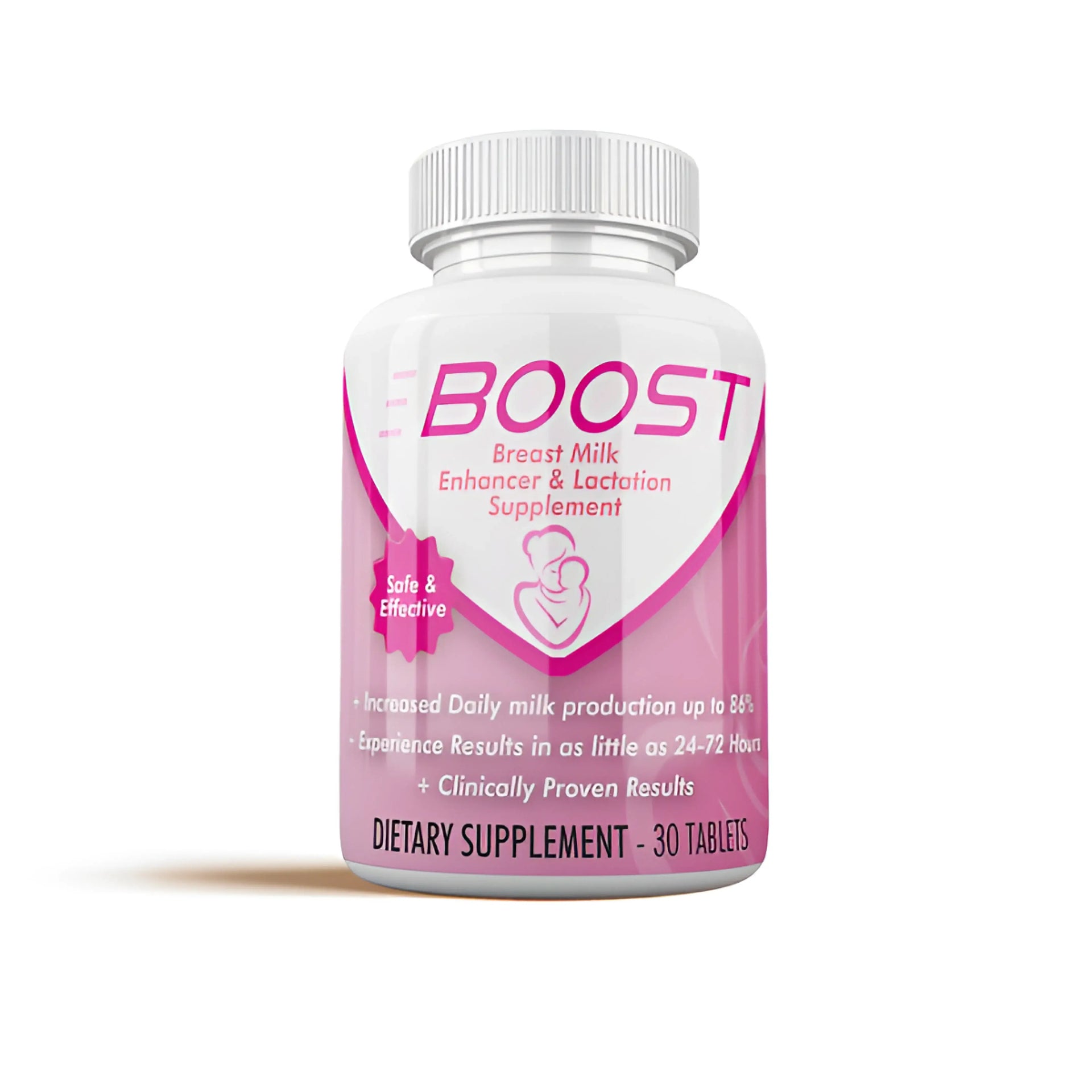
A supplement designed specifically to support lactation, like the one offered by HealthBuy, takes the guesswork out of ingredient sourcing and dosing. The HealthBuy formulation is built around a blend of these researched herbs and nutrients, calibrated to support milk output by up to 40% without relying on mega-doses of any single compound. That matters because isolated high-dose fenugreek, for example, can actually suppress milk in a small subset of mothers if taken past a certain threshold.
Timing also counts. Most supplements take 3 to 7 days to show a noticeable effect. Give any new product at least 2 full weeks before drawing conclusions.
How to Increase Breast Milk in One Day
To increase breast milk in one day: nurse or pump every 90 minutes starting at 6 AM, drink 3 litres of water with electrolytes, eat oat-based meals, apply warm compresses before each session, and practice hands-on massage during letdown. Results are modest but measurable within 12-24 hours.
Sometimes you need more milk today, not next week. A baby cluster-feeding, a growth spurt, or a travel date forcing you to build a stash fast can all create urgency. The strategies below won't transform supply overnight, but they can meaningfully improve output within 12 to 24 hours.
Start at 6 AM with a nursing or pumping session even if it feels early. Prolactin levels peak between 2 AM and 6 AM, so that first morning session often yields the most milk. Don't skip it.
Increase session frequency to every 90 minutes throughout the day. This feels intense, but a single day of aggressive stimulation sends a clear demand signal to the body. Many mothers report adding 60 to 120 ml of daily output after just one power day.
Eat 300 to 500 extra calories above your baseline. Lactation requires roughly 500 additional calories per day at full production. Undereating is one of the fastest ways to see supply drop. Focus on calorie-dense, nutrient-rich foods: oatmeal with almond butter, eggs, avocado toast, and a handful of almonds as snacks.
Drink water consistently, not in large single gulps but steadily through the day. Add a pinch of sea salt and a squeeze of lemon to keep electrolytes in balance.
Rest wherever possible. Even 20 minutes of lying down with your eyes closed between sessions helps cortisol levels drop, which clears the path for oxytocin to do its job.
Do all five of these together and the cumulative effect is greater than any single action alone. Think of it as a one-day sprint, then maintain the gains with consistent habits going forward.
Lifestyle Habits That Support Lactation
Lifestyle habits that support breast milk production include sleeping in 3-4 hour blocks instead of shorter fragments, skin-to-skin contact with the baby for 30 minutes daily, reducing caffeine to under 300 mg per day, and avoiding alcohol within 2 hours of nursing.
Nutrition and pumping technique get most of the attention, but the habits woven into your daily routine can quietly make or break supply. Several of these are surprisingly small changes with outsized effects.
Sleep architecture matters. Total sleep hours matter less than sleep block length. Prolactin surges during REM sleep, which requires at least 90 minutes of uninterrupted rest to occur. Ask a partner, family member, or night doula to handle one overnight feeding so you can get one full sleep cycle. Even three nights a week of longer blocks can help stabilise hormone levels.
Skin-to-skin contact is not just for the first hours after birth. Research from the Journal of Human Lactation shows that regular kangaroo care, holding your baby skin-to-skin, raises oxytocin and prolactin in breastfeeding mothers. Thirty minutes per day is a realistic target.
Caffeine in moderation. Up to 300 mg per day (roughly 2 standard coffees) is considered safe and does not affect supply for most mothers. Beyond that threshold, caffeine can disrupt infant sleep and mildly suppress milk letdown in some women.
Alcohol timing. Alcohol does not boost milk production despite the old folk belief. It temporarily blocks oxytocin and slows letdown. If you choose to drink, nurse or pump first, then wait at least 2 hours per standard drink before the next session.
Stress management deserves its own mention. Even 5 minutes of box breathing (inhale 4 counts, hold 4, exhale 4, hold 4) before a pumping session measurably improves letdown for many mothers. It sounds simple because it is. The challenge is actually doing it consistently when life with a newborn feels relentless.
When to Talk to a Lactation Consultant
See a lactation consultant (IBCLC) if your baby has not regained birth weight by day 14, produces fewer than 6 wet nappies per day after the first week, if you feel pain during nursing, if your milk has not come in by day 5, or if supply has not responded to dietary and pumping changes after 2 weeks.
There is a point at which self-guided strategies are not enough, and recognising that point early saves weeks of frustration and worry. An International Board Certified Lactation Consultant (IBCLC) is the gold standard for professional support. They have completed over 1,000 clinical hours and passed a rigorous board exam, a very different credential from a general breastfeeding peer supporter.
Book an IBCLC appointment if you notice any of these signs:
- Your baby is losing weight or not gaining after day 5
- Nursing sessions regularly last longer than 45 minutes and your baby still seems hungry
- You experience cracked or bleeding nipples, which signals a latch issue costing milk transfer
- Your breasts never feel full or do not soften after feeding, suggesting poor drainage
- You are 4 weeks postpartum and still producing under 400 ml per day total
Many hospitals offer free lactation consultations during the first week. After discharge, private IBCLCs typically charge $100 to $250 per session in the US, and many insurers now cover at least one postpartum lactation visit under ACA provisions.
Telehealth lactation consults have also become widely available since 2022. Platforms like Pacify and Nest Collaborative connect mothers with IBCLCs within hours, which is particularly useful for middle-of-the-night crises when anxiety about supply peaks.
Do not wait until you are at your limit. Earlier support leads to better outcomes and a shorter overall struggle. An IBCLC can identify a tongue tie, a poor flange fit, or a feeding position issue in a single session that might have taken you weeks to troubleshoot alone.
Method Comparison: What Works Best?
The most effective approach to increasing breast milk combines frequent nursing or pumping (8-12 times per 24 hours), galactagogue-rich foods, adequate hydration (2.5-3 litres daily), and a targeted supplement if dietary changes alone are insufficient. No single method outperforms a consistent combination of all four.
Mothers often ask whether they should focus on diet, pumping technique, supplements, or lifestyle changes. The honest answer is that the methods stack. Each one addresses a different part of the supply equation, and combining several delivers better results than any single approach alone.
The comparison table below summarises the main options by speed of effect, effort required, and typical evidence level. Use it to plan which strategies to prioritise based on your situation.
If you are 2 weeks postpartum and supply has never fully established, focus first on frequency (nursing or pumping every 2 to 3 hours) and calorie intake. Add galactagogue foods in week 2. Consider a targeted supplement like the HealthBuy Boost Breast Milk Enhancer in week 3 if dietary changes have not moved the needle, because it combines multiple clinically studied herbs and nutrients in calibrated amounts rather than requiring you to juggle separate products.
If you are 8 weeks postpartum and supply has dropped after a good start, the culprit is usually a reduction in feeding frequency (babies get more efficient and feed faster, which mothers sometimes misread as 'less demand') or a return to work that disrupted the pumping schedule. Here, pumping technique improvements and power pumping are the fastest lever.
Consistency is the thread that runs through every successful supply journey. A strategy applied for 3 days and then abandoned rarely moves the needle. Pick 3 to 4 methods from this guide, commit to them for 2 full weeks, and track output daily in a simple notes app. That data makes it far easier to see what is working and what to adjust.
Comparison
| Method | Speed of Effect | Effort Level | Evidence Strength | Best For |
|---|---|---|---|---|
| Frequent nursing/pumping (8-12x/day) | 24-48 hours | High | Strong (multiple RCTs) | All mothers, especially early postpartum |
| Galactagogue foods (oats, fenugreek, moringa) | 3-7 days | Medium | Moderate (observational + some RCTs) | Mothers who prefer food-first approach |
| Targeted lactation supplement | 3-7 days | Low | Moderate to Strong (depends on formula) | Mothers with persistent low supply after dietary changes |
| Hands-on pumping + warm compresses | 1-3 days | Medium | Strong (Stanford study, +48% output) | Exclusive pumpers hitting a plateau |
| Lifestyle changes (sleep, stress, hydration) | 3-14 days | Medium | Moderate (indirect evidence) | Mothers with high stress or disrupted sleep |
Frequently asked questions
How long does it take to boost breast milk supply?
Most mothers notice an increase within 3 to 7 days of consistently applying demand-based strategies: more frequent nursing or pumping, improved hydration, and galactagogue foods. Supplements typically take 3 to 7 days to show a measurable effect. Full supply establishment after a significant dip can take 2 to 4 weeks of sustained effort.
What foods increase breast milk fast?
Oats, fenugreek seeds, moringa leaves, brewer's yeast, flaxseed, green papaya, almonds, and fennel are among the most commonly cited foods for increasing milk production. Oats are the easiest to add daily and provide iron, which directly supports prolactin activity. Pair them with ground flaxseed for added phytoestrogens.
What should I drink to increase breast milk?
Water is the most important drink for supporting milk supply. Aim for 2.5 to 3 litres per day. Beyond water, barley water, fennel tea, fenugreek tea, and coconut water are popular choices with some traditional evidence behind them. Avoid sugary sports drinks in large amounts, which can contribute to blood sugar swings without helping supply.
Can I increase breast milk in one day?
You can meaningfully increase output within 24 hours by combining five actions: nurse or pump every 90 minutes, drink 3 litres of water, eat 300 to 500 extra calories, apply warm compresses before sessions, and rest between sessions. The increase is usually modest (50 to 100 ml more per day) but the demand signal you send makes the following days more productive.
Do lactation supplements actually work?
Some lactation supplements have clinical evidence behind specific ingredients. Fenugreek has been shown in at least three randomised controlled trials to increase milk volume. Moringa showed significant results in a 2013 Philippine RCT. The key is choosing a product with standardised herb concentrations and transparent dosing, rather than a product that lumps herbs together at sub-therapeutic levels.
Why is my breast milk supply low even though I am nursing frequently?
Frequent nursing is necessary but not always sufficient. Other factors that reduce supply despite regular feeds include a poor latch that limits milk transfer, thyroid dysfunction, certain medications (decongestants, some contraceptives), extreme calorie restriction, high stress, and untreated postpartum anaemia. If supply does not improve after 2 weeks of frequent feeding plus dietary changes, consult an IBCLC.
Is it safe to take supplements to increase breast milk?
Most galactagogue herbs are considered generally safe at recommended doses, but not all are appropriate for everyone. Fenugreek should be avoided by mothers with peanut or chickpea allergies. Goat's rue is contraindicated during pregnancy. Always choose a supplement manufactured to GMP standards and check the full ingredient list with your midwife or OB-GYN before starting, particularly if you take other medications.
How do I know if my baby is getting enough milk?
The most reliable indicators are nappy output and weight gain. A well-fed baby over 5 days old produces at least 6 wet nappies and 2 to 3 dirty nappies per 24 hours. Weight gain of 150 to 200 grams per week from birth weight is a healthy target in the first 3 months. If either measure falls below these ranges, contact your paediatrician or midwife promptly.
Does stress reduce breast milk supply?
Yes. Elevated cortisol (the primary stress hormone) directly interferes with oxytocin release, which controls milk letdown. High cortisol does not stop milk production entirely, but it can slow or block the letdown reflex, making sessions feel unproductive even when the milk is there. Techniques like box breathing, skin-to-skin contact, and listening to calming audio during pumping can help override the stress response.
How to increase breast milk naturally at home?
The most effective natural home strategies are: nurse or pump at least 8 times in 24 hours, eat galactagogue-rich foods like oats and moringa, drink 2.5 to 3 litres of water daily, practise skin-to-skin contact for 30 minutes each day, and prioritise sleep blocks of at least 90 minutes. These methods work best as a combined routine rather than isolated changes.
Sources
- La Leche League International, Cited in the 'Why Milk Supply Drops' section to support the finding that mothers who nurse or pump fewer than 8 times in 24 hours are significantly more likely to experience low supply in the first 6 weeks.
- Stanford University School of Medicine (Hands-On Pumping Research), Cited in the 'How to Increase Milk Supply When Pumping' section to support the finding that combining breast massage with pumping increased total milk output by up to 48% compared to pumping alone.
- Journal of Alternative and Complementary Medicine (Fenugreek RCT, 2018), Cited in the 'Foods and Drinks That Increase Breast Milk' section to support the clinical evidence for fenugreek tea increasing milk production in breastfeeding mothers over a 2-week period.
Related guides from this series
Ready to try Boost Breast Milk Enhancer?
View pricing


